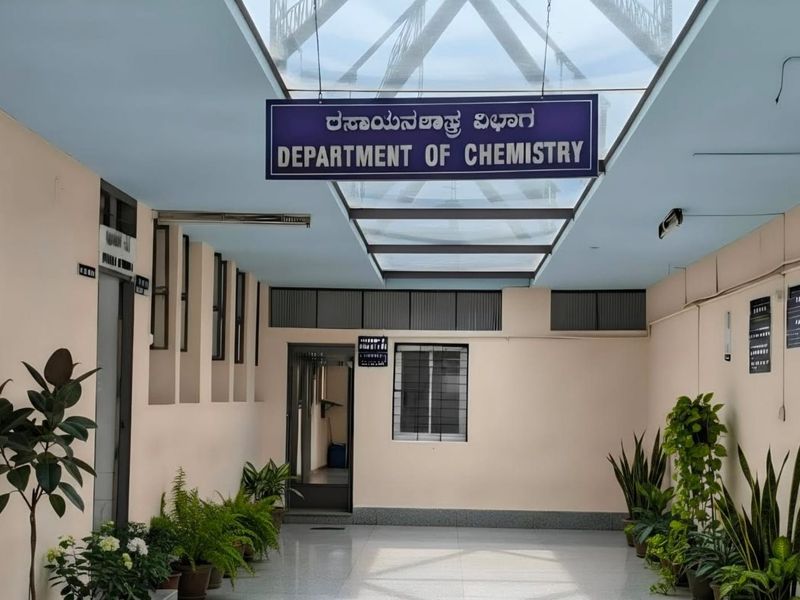
About the department
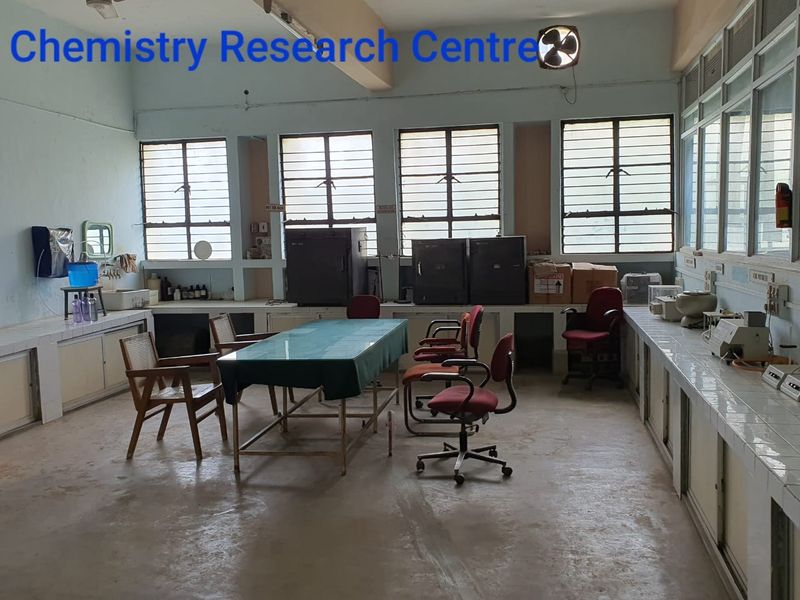
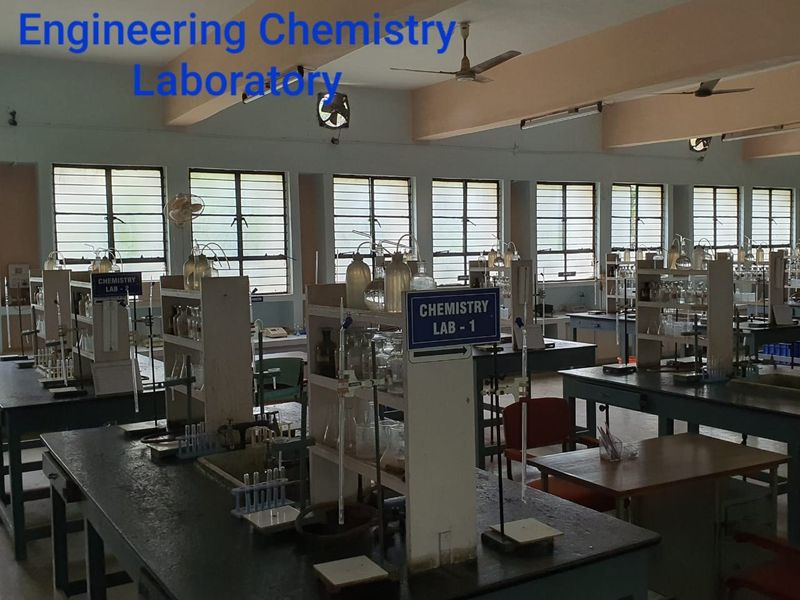
The Department of Chemistry was established in 1979. It has been headed over the years by Dr. S. Manjappa, an acclaimed academician and frontline researcher, by Dr. B.E. Basavarajappa and by Dr. H.R. Mallikarjuna, and is presently headed by Dr. Prasannakumar J.K. The department is well established in both infrastructure and faculty, with five members holding doctorates. It also runs the technical chemistry laboratory for the chemical engineering stream, and provides facilities for UG and PG students across streams to carry out their academic project work. VTU recognised it as its first research centre in 2002. Doctoral work is offered in nanotechnology, corrosion chemistry, medicinal chemistry, and dye and coordination chemistry: fourteen doctorates have been produced in association with ESTSC, and from the chemistry research centre eight have been awarded with four more in progress. Faculty publish in journals of national and international repute.
Vision & mission
To provide an opportunity for budding engineers and enabling fresh minds to acquire fundamental insights into chemical science required for all disciplines of Engineering and Technology.
Mission
- 01To teach fundamental concepts of science essential for different programmes of Engineering and Technology.
- 02To acquire competent mind, to inculcate the culture of research and innovation among the students.
- 03To encourage students to participate in co-curricular and extra-curricular activities leading to enhancement of their social and professional skills.
Head of department
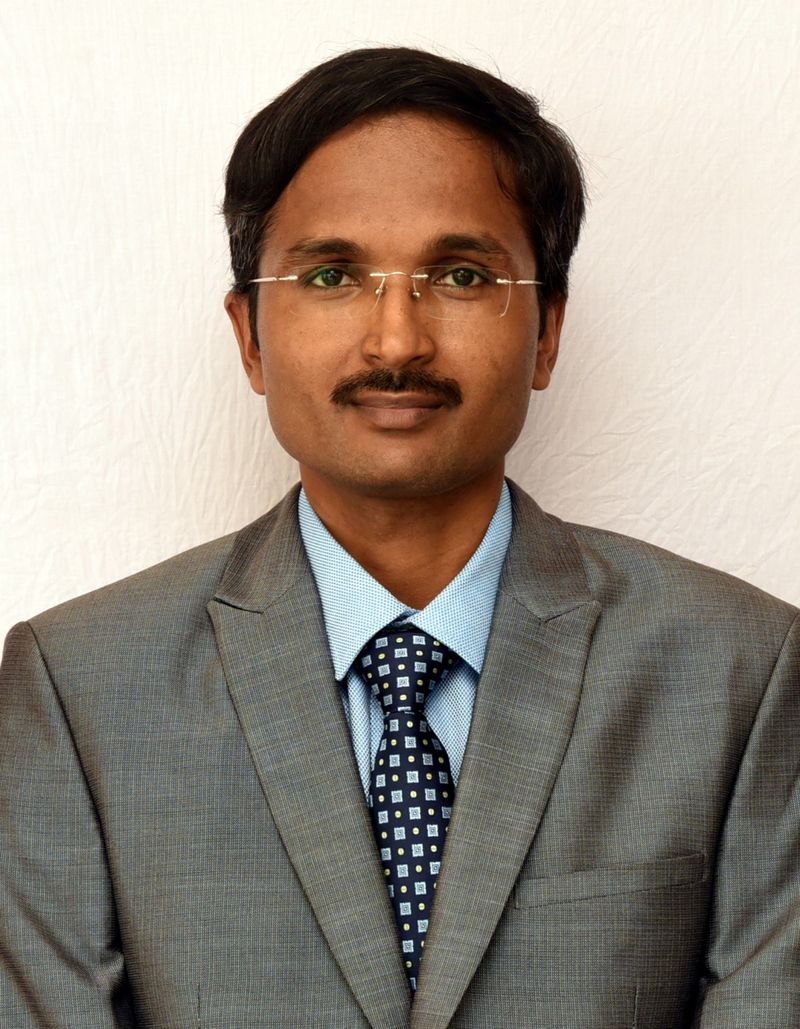
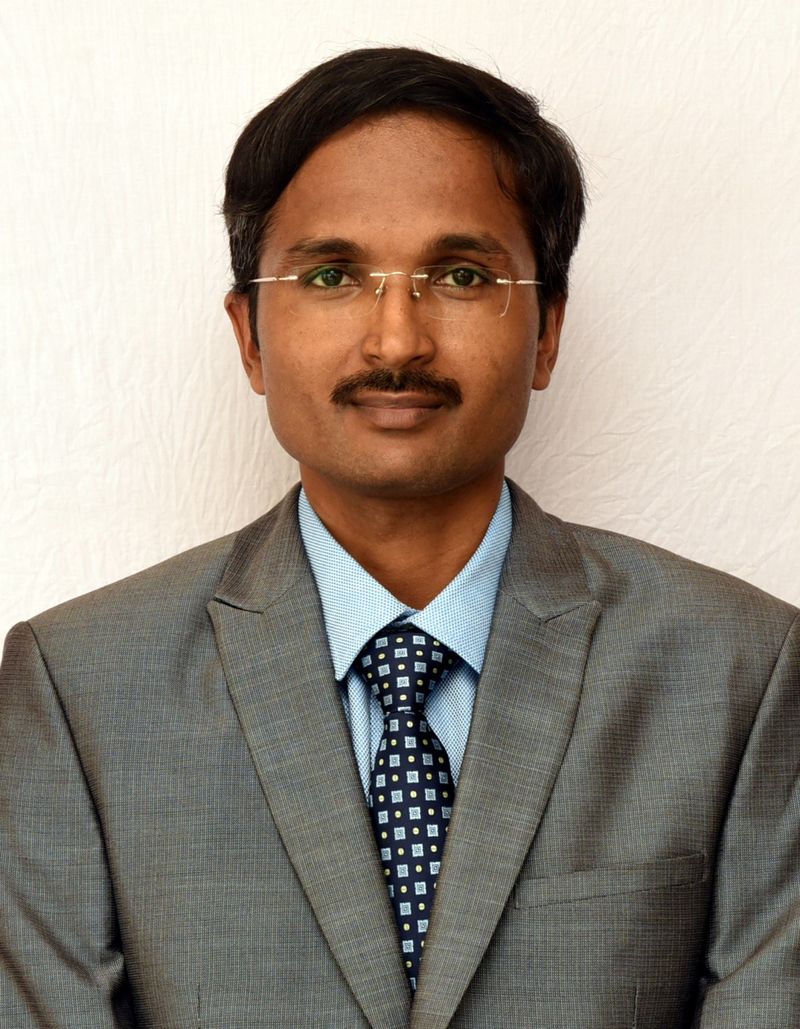
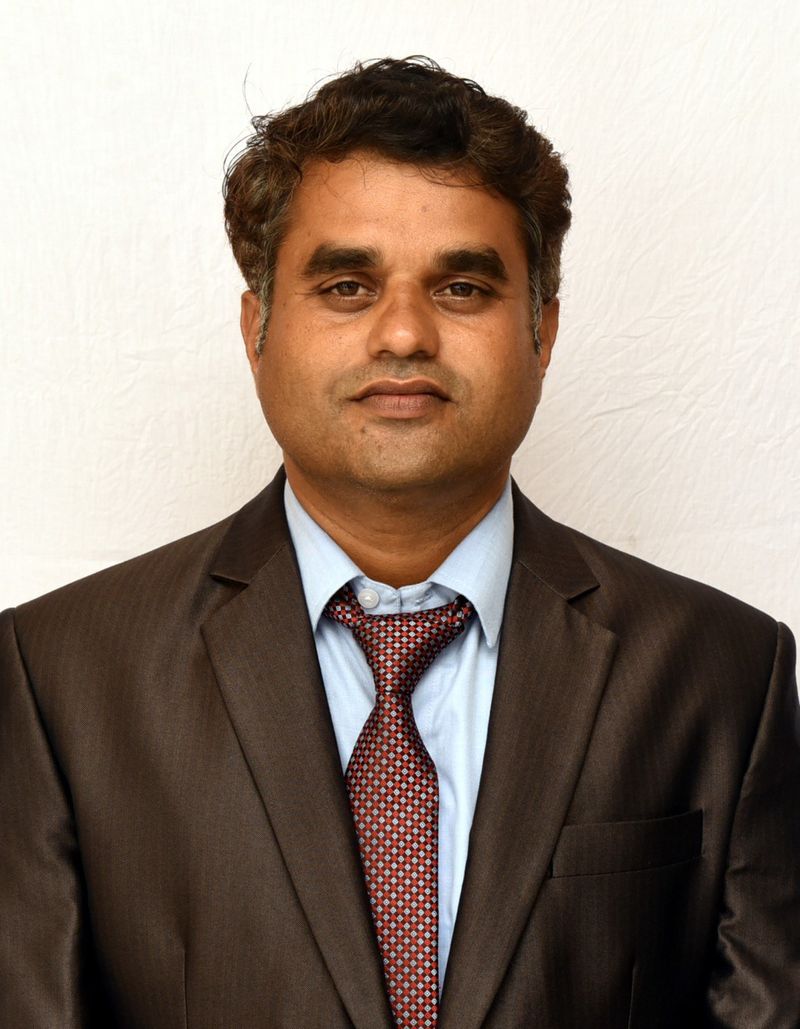
M.Sc in general chemistry from Kuvempu University in 2005, taking fourth rank, and a PhD from VTU in 2023, followed by a year of postdoctoral research. He joined the institute in 2006 and has 20 years of teaching and research. He has guided 17 M.Sc projects and eight KSCST and institute-sponsored BE and M.Tech projects, published 10 papers and two patents in nanodrug delivery, and contributed three book chapters.
He sits on the editorial boards of eight international journals and reviews for sixteen more, including Springer Nature, Elsevier, IOP and Wiley. His research covers wood and cellulose chemistry, coordination and medicinal chemistry, and nanomaterials.
Faculty & staff
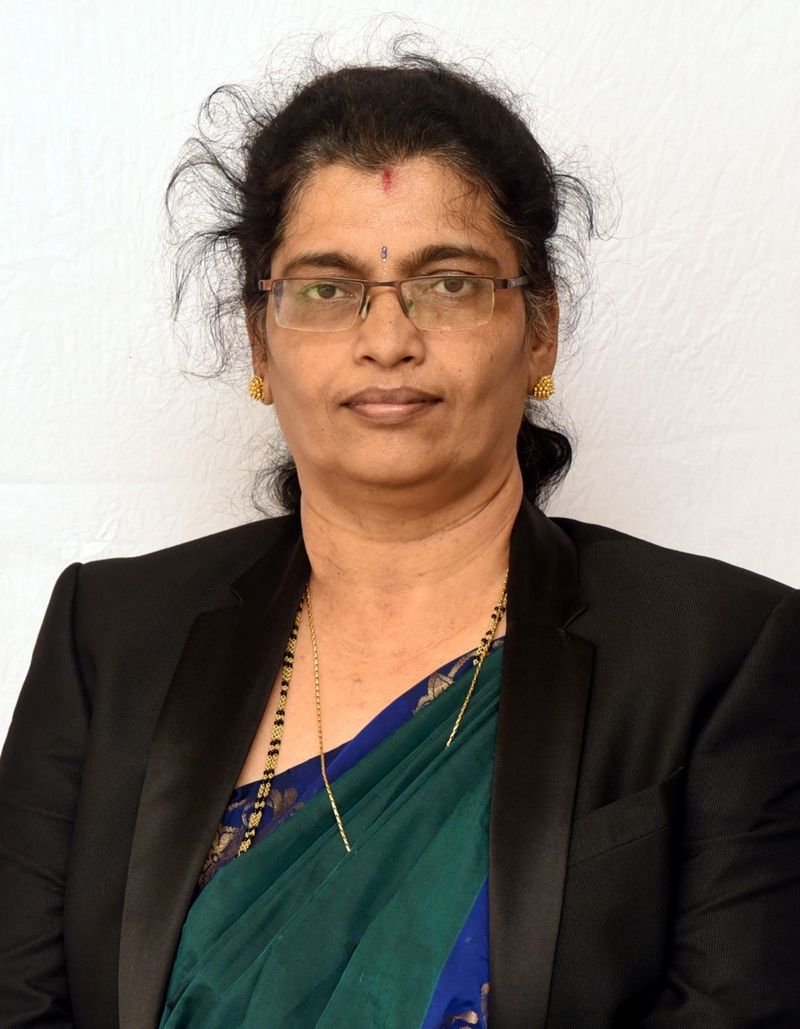
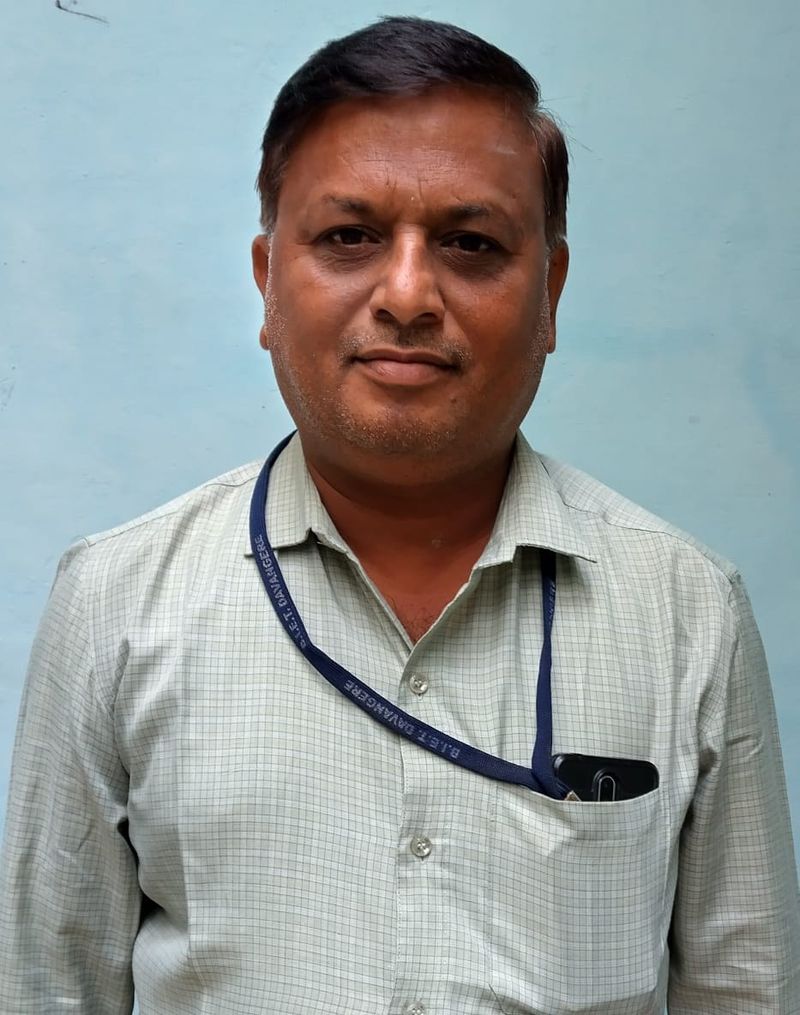
Infrastructure
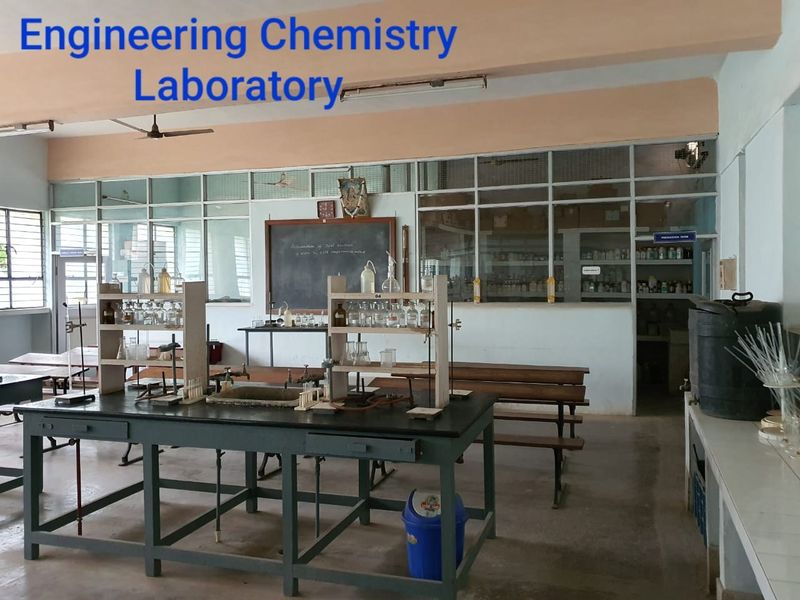
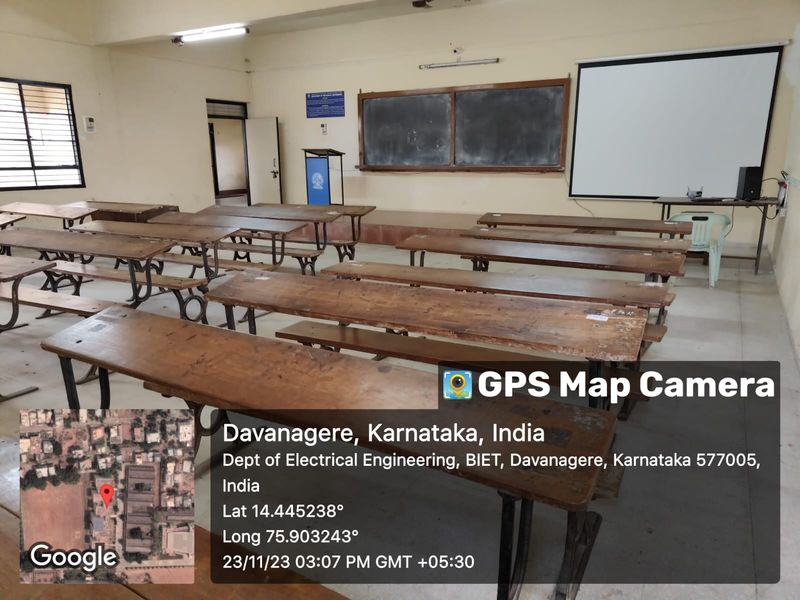
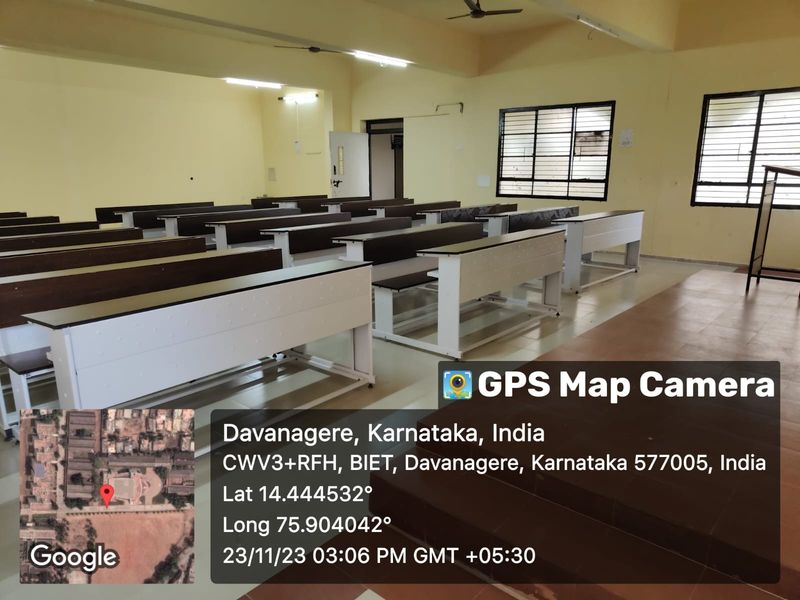
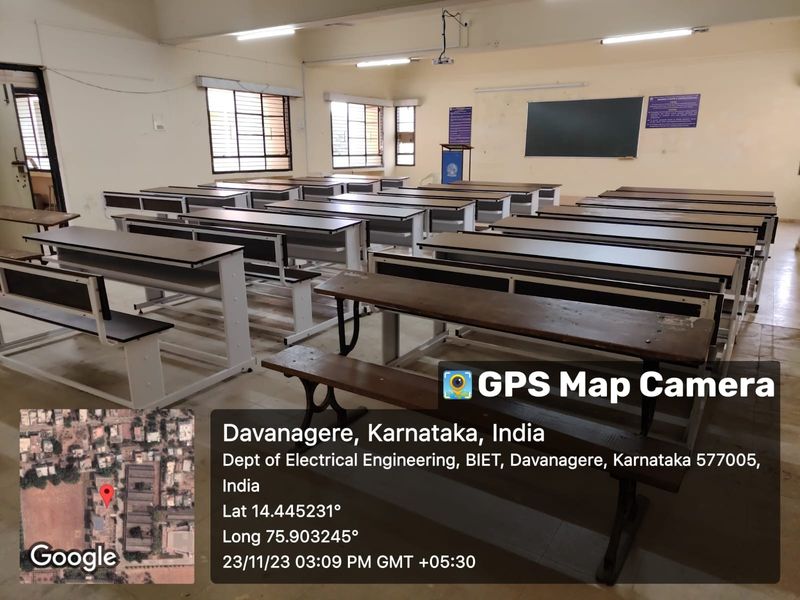
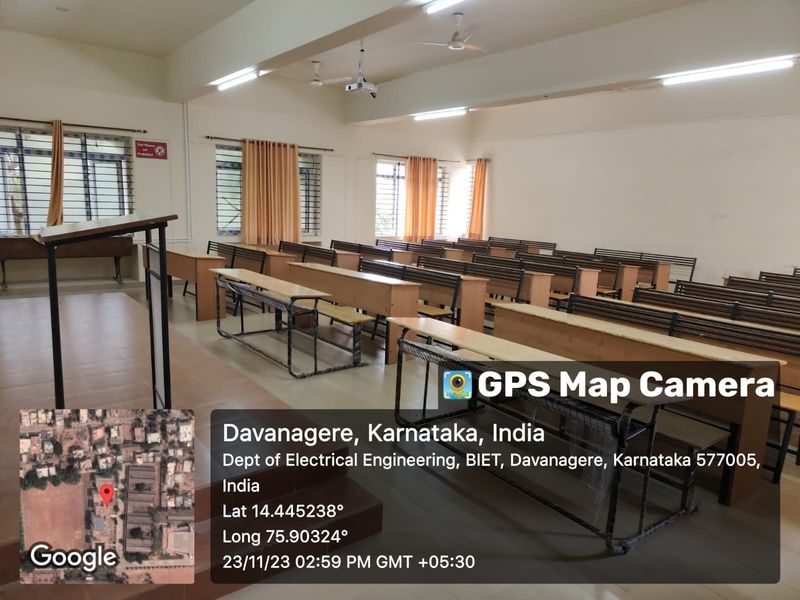
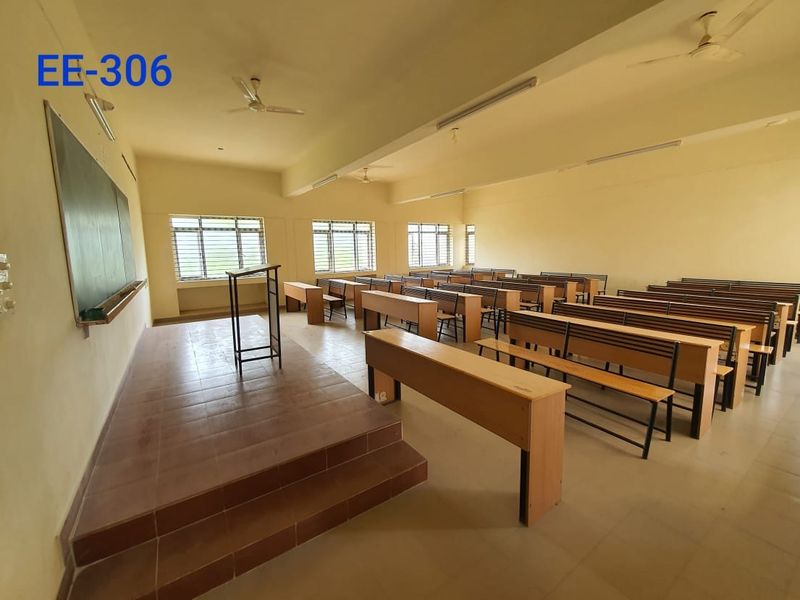
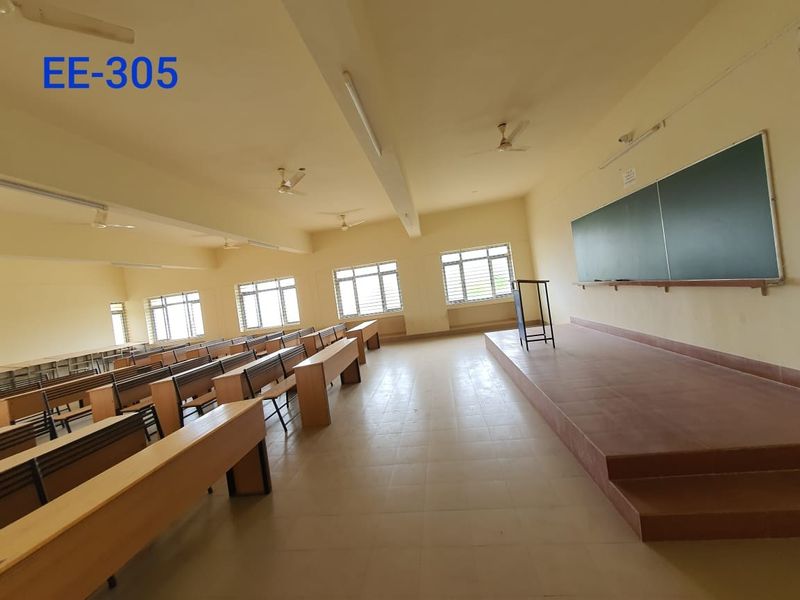
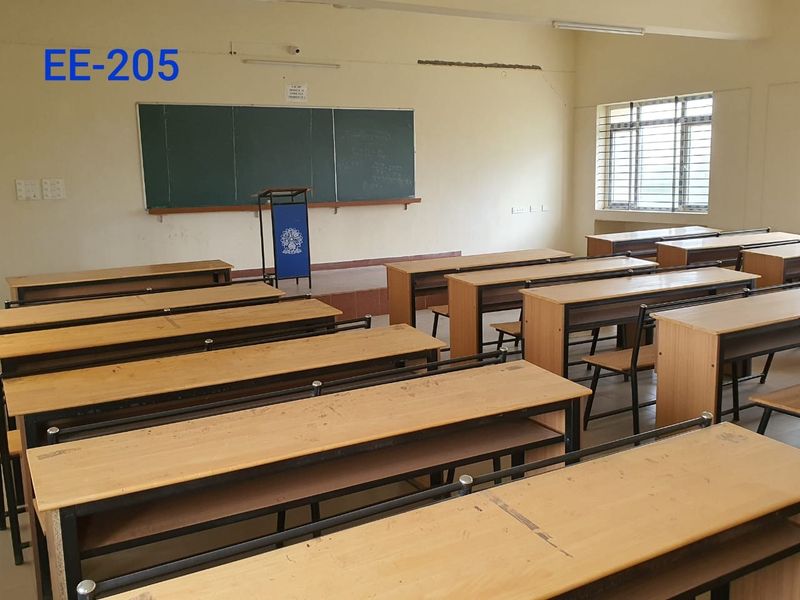
Advisory board
Board of Studies 20
The board that reviews and updates the programme's curriculum — academics nominated by VTU and the Academic Council, industry representatives, alumni and the department's own faculty.
| Name & designation | Role |
|---|---|
| Dr. Prasannakumar J KAssociate Professor & HOD, Dept of Chemistry, BIET | — |
| Dr. Mallikarjuna H RAssociate Professor, Dept of Chemistry, BIET | — |
| B M PrasannaAssociate Professor, Dept of Chemistry, BIET | — |
| Thriveni M GAssistant Professor, Dept of Chemistry, BIET | — |
| Dr. Manjunath K SAssistant Professor, Dept of Chemistry, BIET | — |
| Bhumika P SAssistant Professor, Dept of Chemistry, BIET | — |
| Dr. Jagadeesh M RAsso. Professor & HOD, Dept. of Physics, BIET | — |
| Dr. B VijayProfessor, Dept. of Chemistry, UBDTCE, Davanagere | — |
| Dr. G ManavendraProf & Head, Dept. of Mechanical Engineering, BIET | — |
| Dr. Nirmala C RProf & Head, Dept. of CSE, BIET | — |
| Dr. G S SunithaProf & Head, Dept. of ECE, BIET | — |
| Dr. Chidananda GProfessor & Head, Department of Civil Engineering, BIET | — |
| Dr. S B MallikarjunaProfessor & Head, Department of AIML, BIET | — |
| Dr. C M KalleshappaProfessor & Head, Department of Chemical Engineering, BIET | — |
| Dr. Pradeep NProfessor & Head, Department of CS-Data Science, BIET | — |
| Dr. Veena AdiAssociate Professor & Head, Department of BT, BIET | — |
| Dr. Vinutha H PProfessor & Head, Department of Computer Science & Business Systems, BIET | — |
| Dr. Dinesh Y NProfessor & Head, Department of TX, BIET | — |
| Kum. Bhavya D RFirst Year BE Chemical Engineering Student | — |
| Kum. Mamatha M GFirst Year BE Chemical Engineering Student | — |