About the department
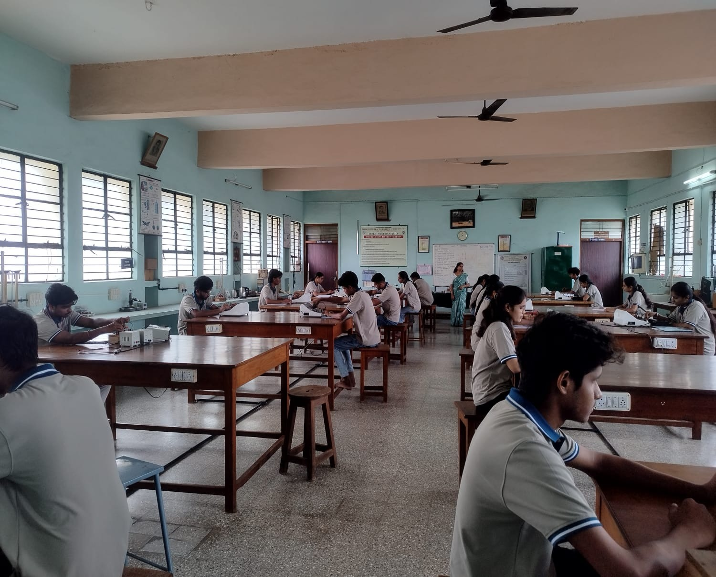
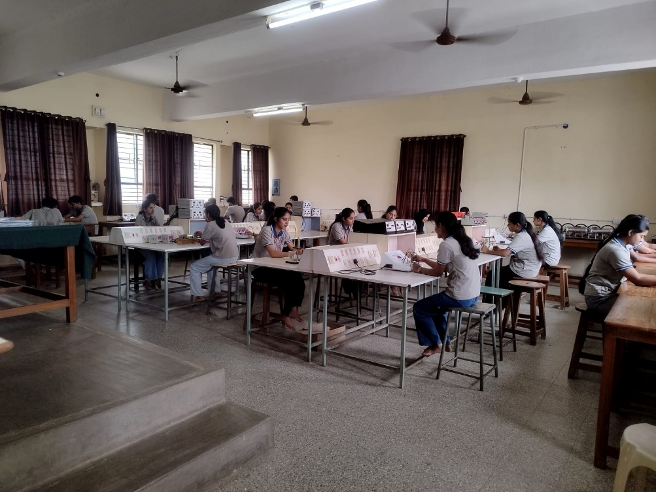
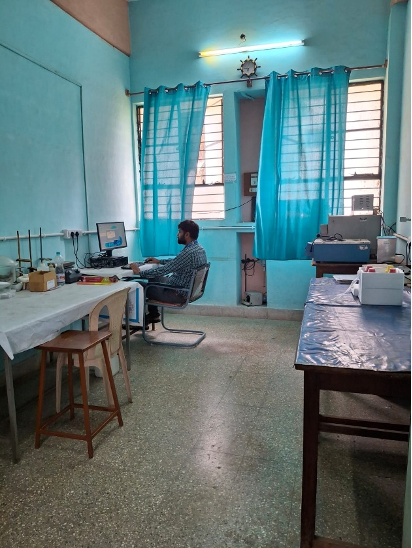
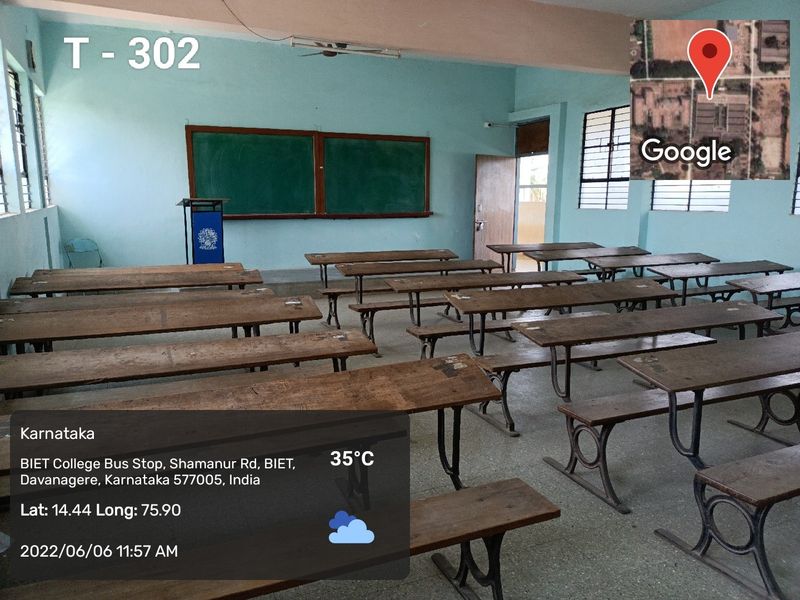
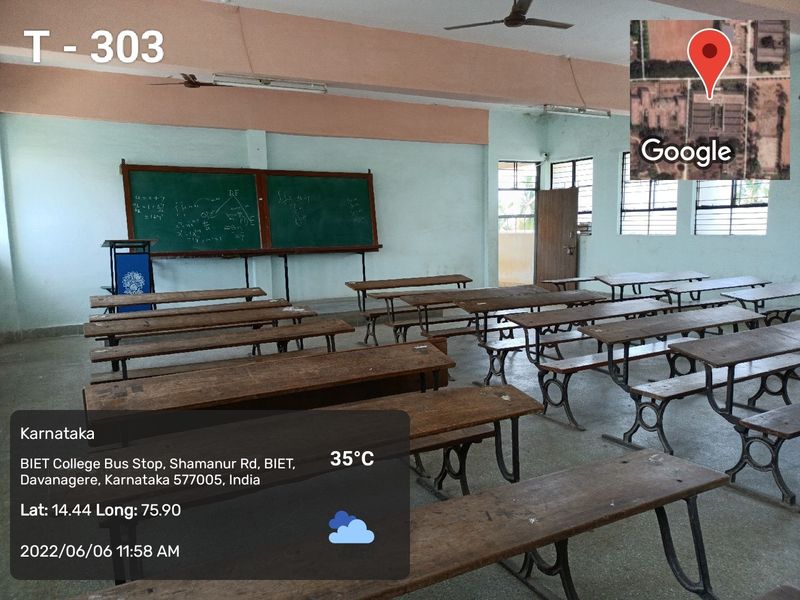
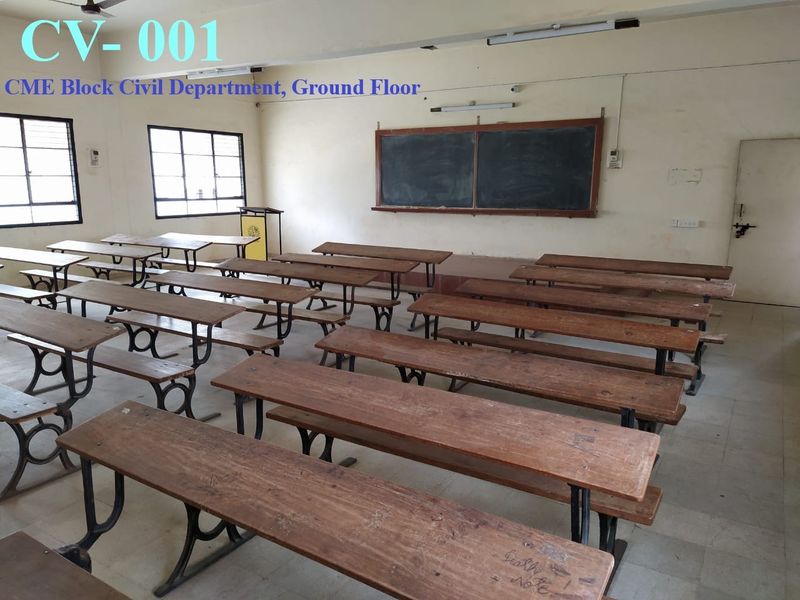
The Department of Physics is one of the fundamental academic departments (1979-80) of the institute, dedicated to providing a strong foundation in physical sciences for engineering education while fostering excellence in teaching, research, innovation, and professional ethics. The department is committed to Outcome-Based Education (OBE) in accordance with the modern curriculum, and emphasizes experiential learning through well-equipped laboratories more than 2700 Sq. ft, ICT-enabled teaching. With a team of highly qualified and experienced faculty members, the department actively pursues research in advanced materials, nanotechnology, nonlinear optical materials, quantum materials and devices, photonics, thin films, energy materials, and computational physics with good number of publications in reputed national and international journals and contribute through patents and interdisclinary collaborations with academic institutions.
Vision & mission
To integrate science and technology as a foundation for excellence and encourage the development by providing the fundamental scientific and technical knowledge about physical phenomena as a professional course in engineering and technology.
Mission
- 01Enabling the students to discover their talents both in theory and practical, through dedication to teach, innovative instructional methods and working models.
- 02Working closely with other faculties of different discipline that will eminence the value of institution.
- 03To develop organizational skills, core competence and ethics in first year engineering students that they need, as true professional for achieving success in life.
Head of department
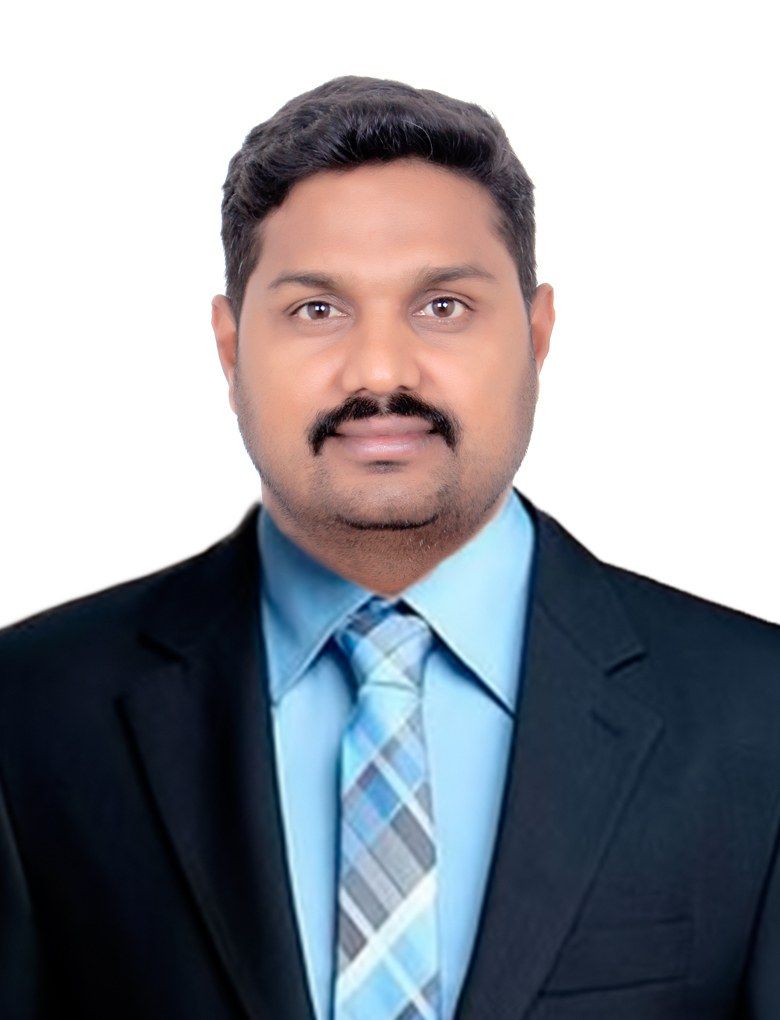
B.Sc from DRM Science College Davanagere (2004), M.Sc in nuclear physics from Kuvempu University (2006) and a PhD in physics from VTU (2016), with more than 16 years of teaching and research. His work covers crystal science, nonlinear optics, optoelectronics and nanocomposites, with more than 30 published articles, a published patent and four scholars under his guidance at VTU. He holds a grant from the Indian National Academy of Sciences under its Science Promotion Scheme, and was given the National Best Science Teacher Award by the Raman Science and Technology Foundation.
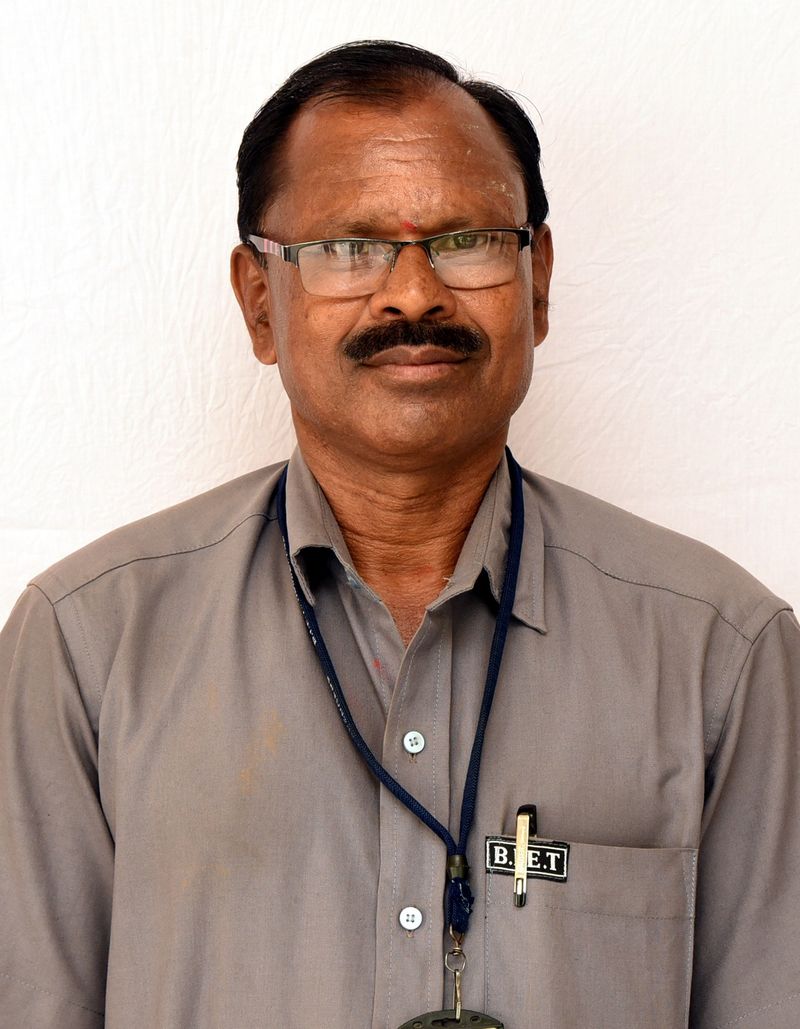
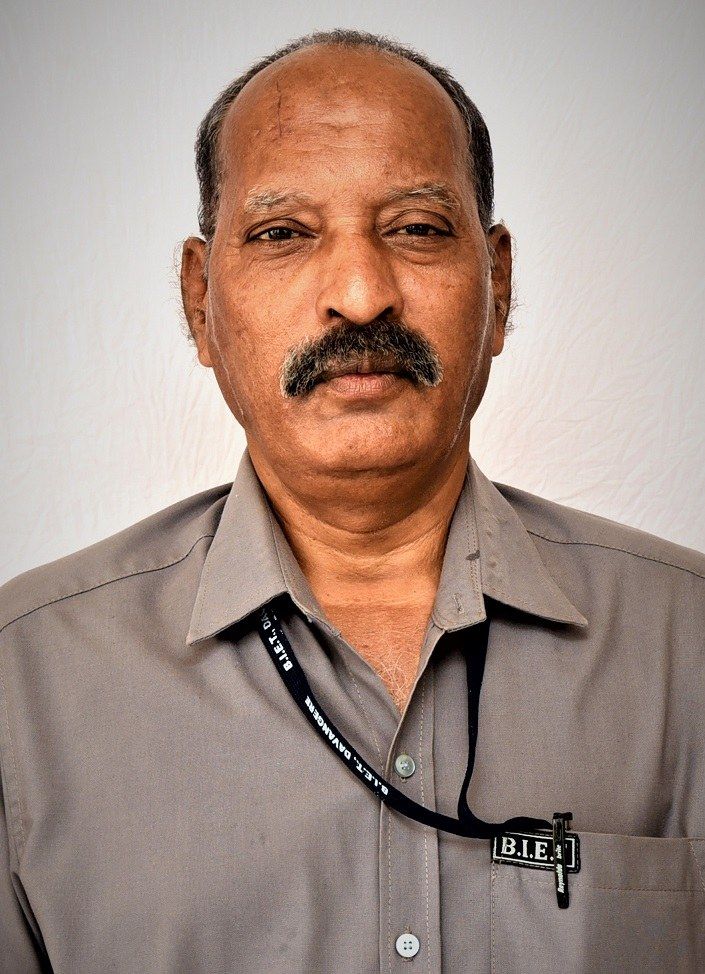
Faculty & staff
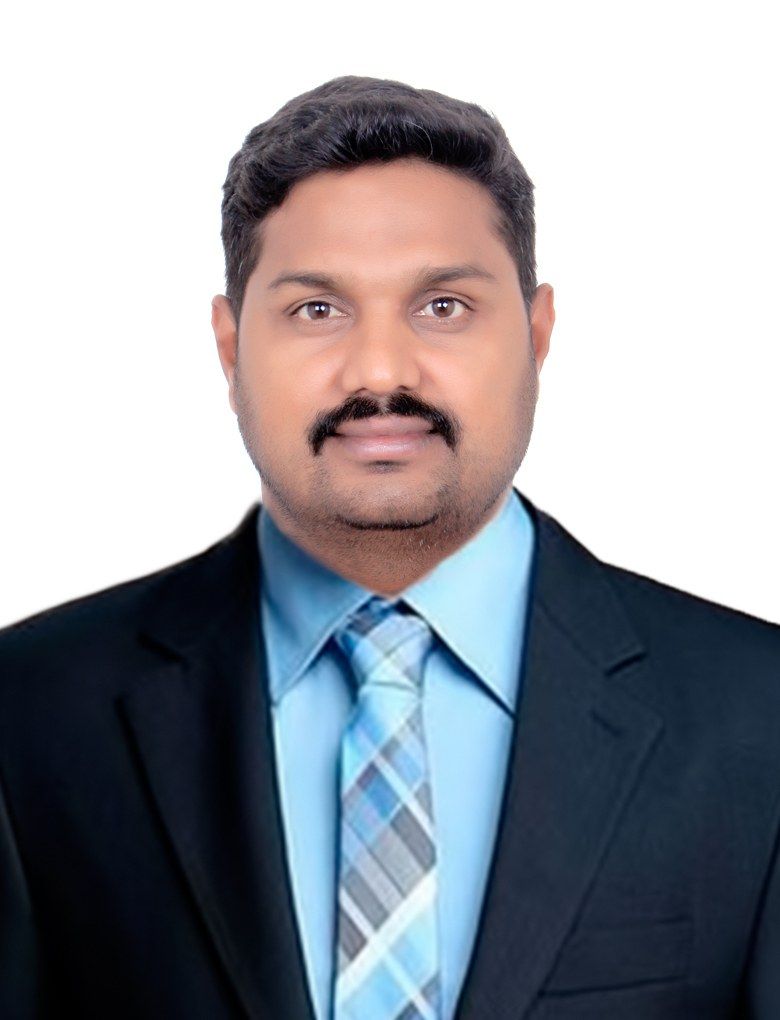
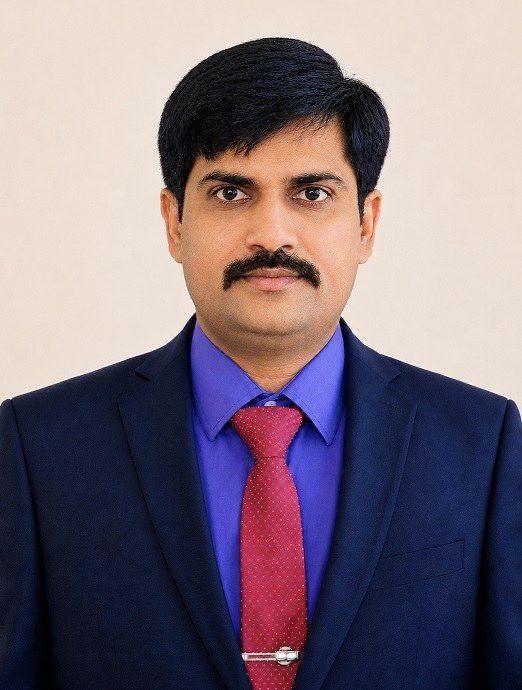
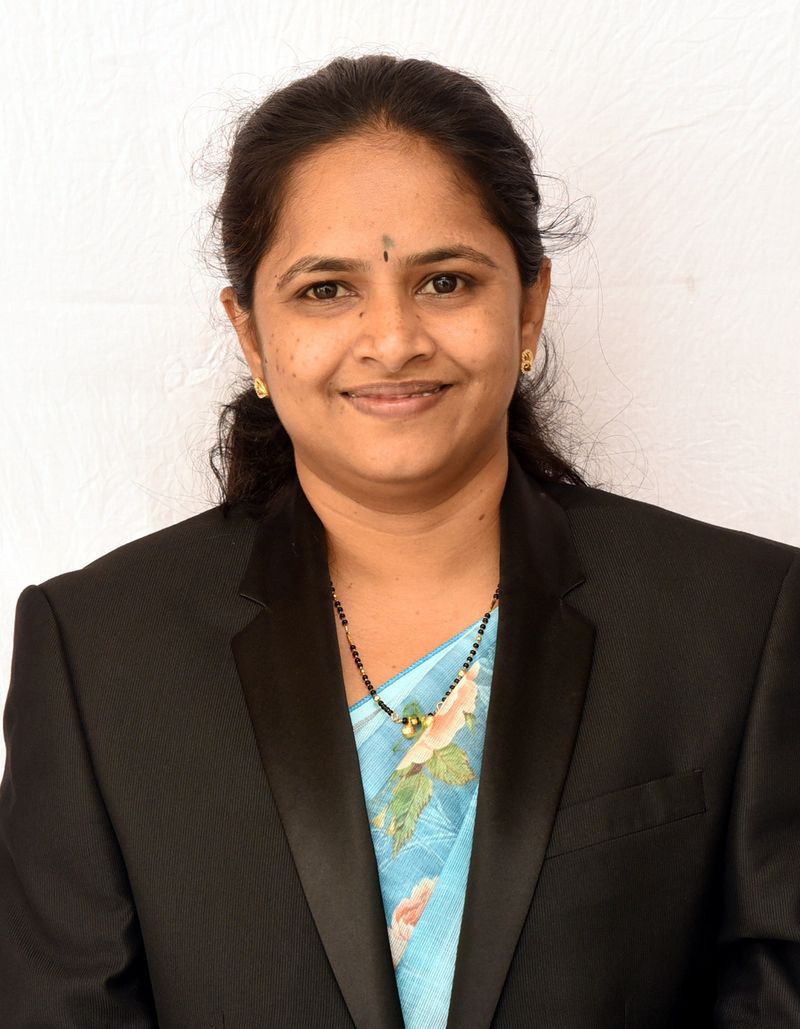
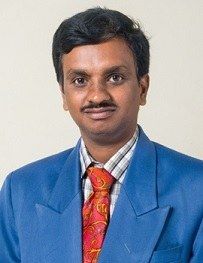
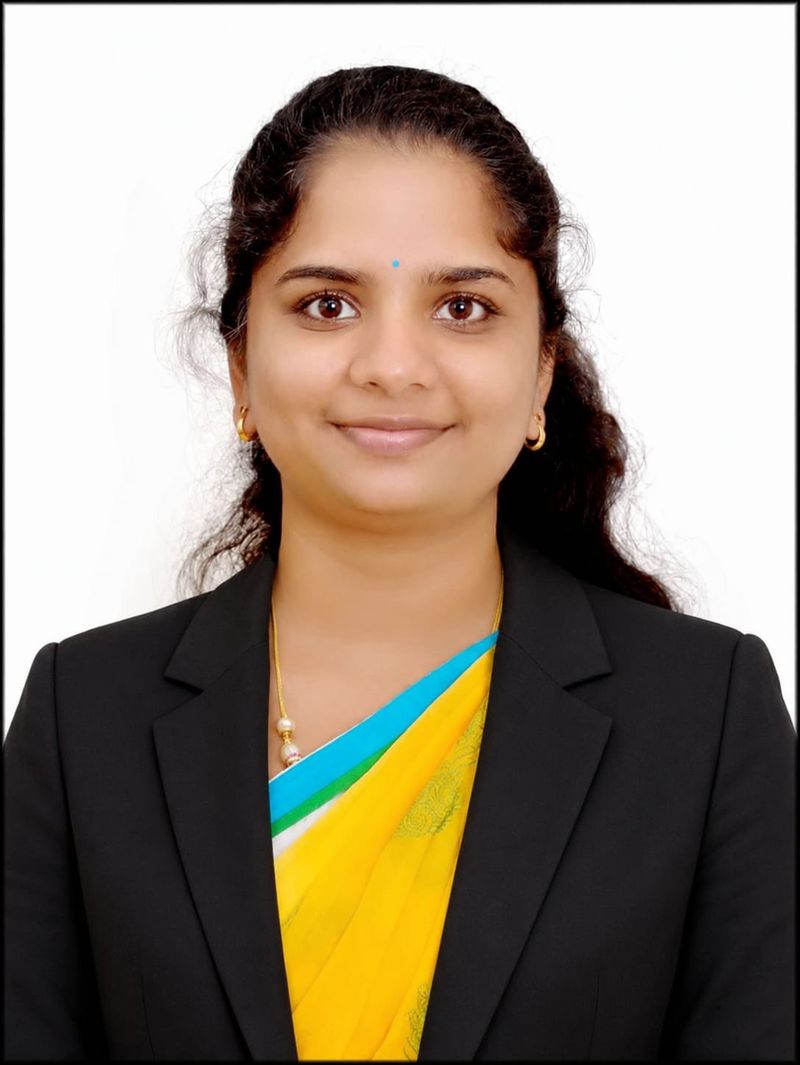
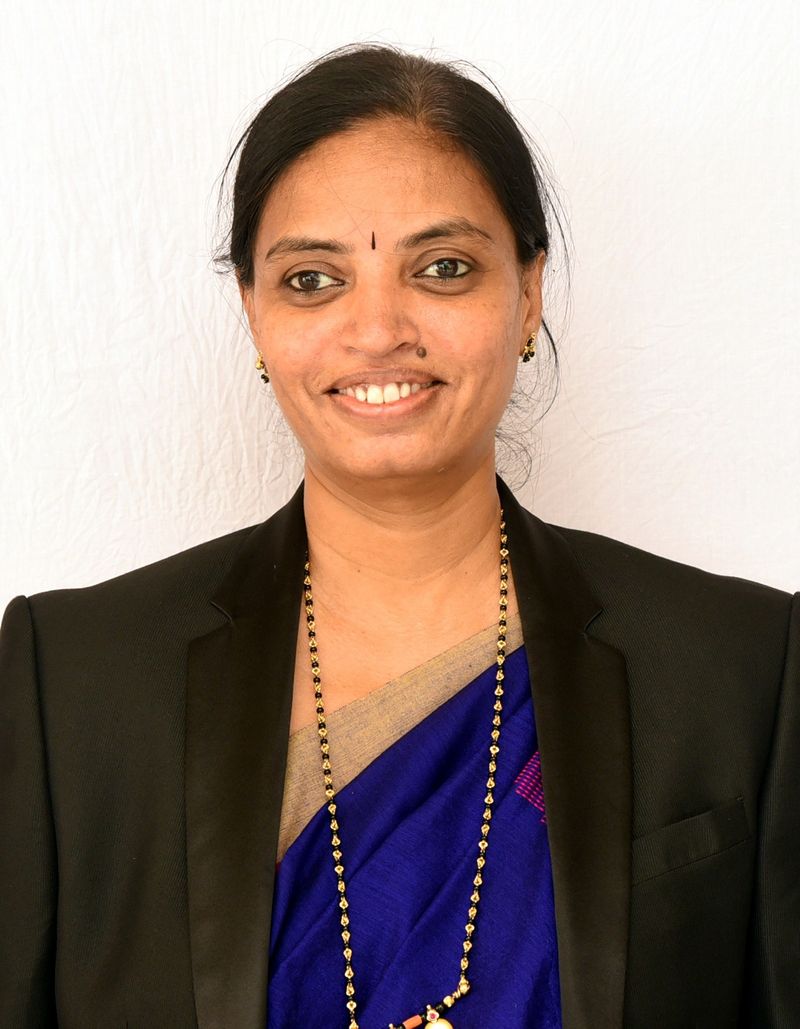
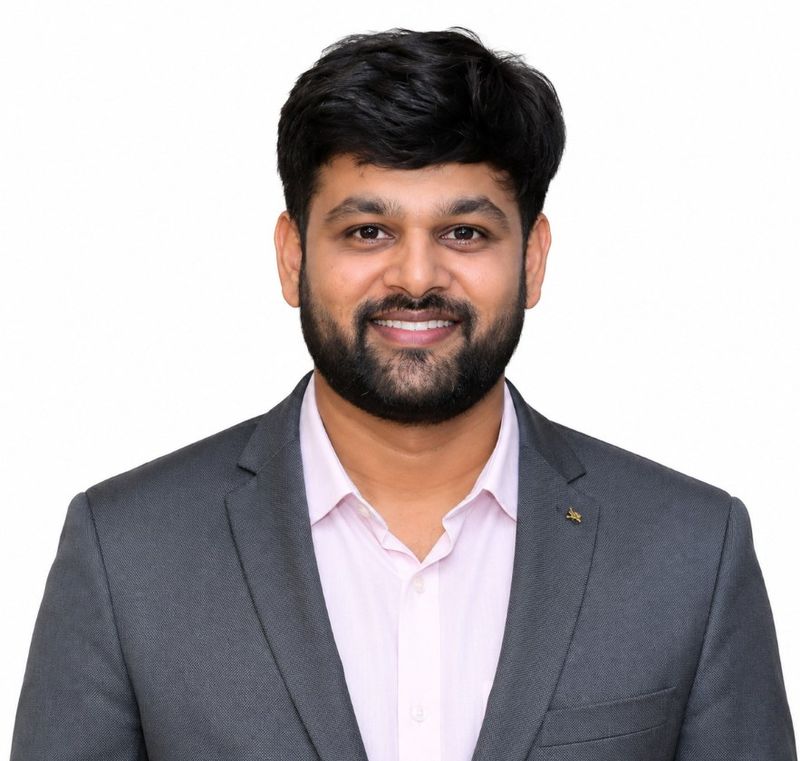
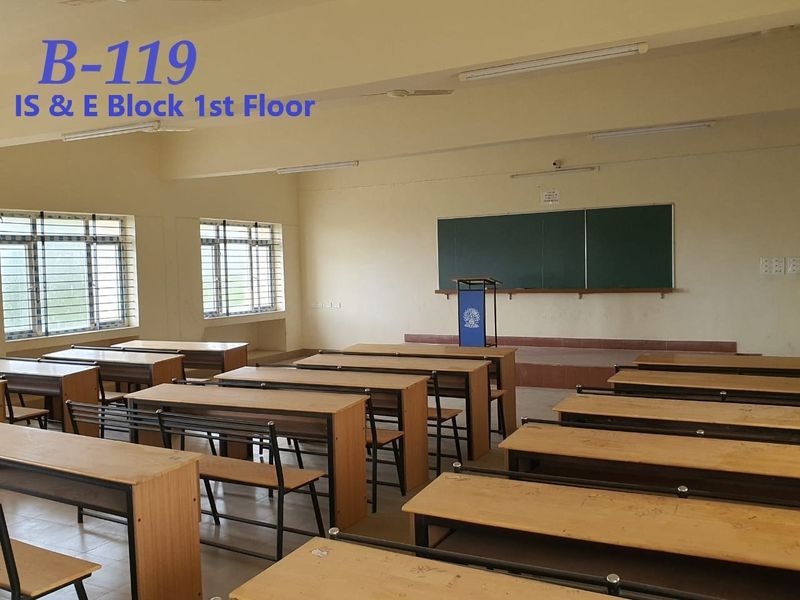
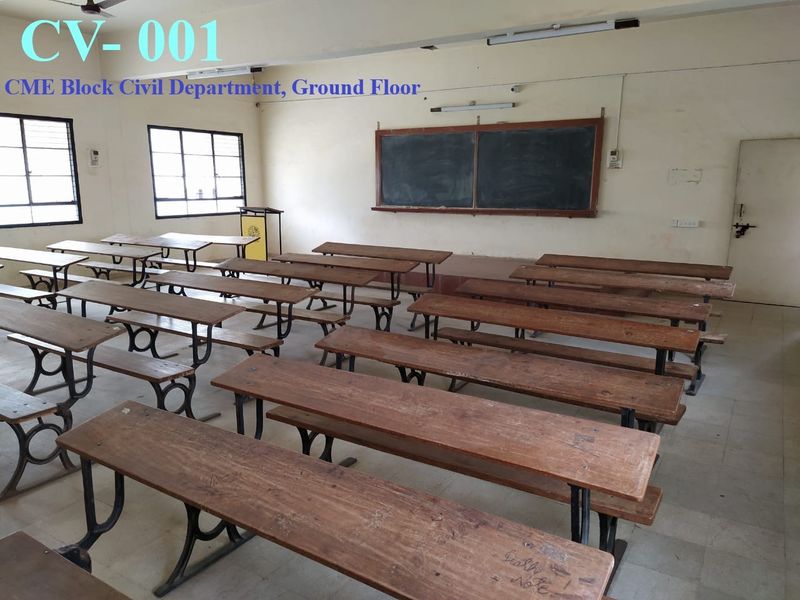
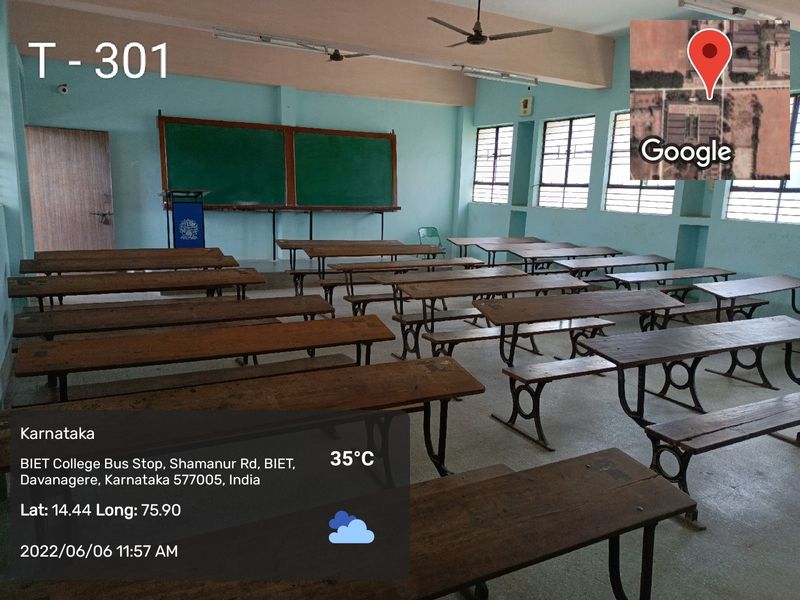
Infrastructure
Advisory board
Board of Studies 12
The board that reviews and updates the programme's curriculum — academics nominated by VTU and the Academic Council, industry representatives, alumni and the department's own faculty.
| Name & designation | Role |
|---|---|
| Dr. H B AravindPrincipal, BIET, Davangere | Member |
| Prof. Y VrushabhendrappaDirector, BIET, Davangere | Member |
| Dr. Jagadeesh M RAssociate Professor & HOD, Department of Physics, BIET, Davangere | Member |
| Dr. Santhosh Kumar M VAssociate Professor, Department of Physics, BIET, Davangere | Member |
| Prof. Geetha V KAssistant Professor, Department of Physics, BIET, Davangere | Member |
| Dr. T K KrishnakumarAssistant Professor, Department of Physics, BIET, Davangere | Member |
| Dr. Vinay ParolAssistant Professor, Department of Physics, BIET, Davangere | Member |
| Prof. Kavitha P GAssistant Professor, Department of Physics, BIET, Davangere | Member |
| Prof. Tanushree M KAssistant Professor, Department of Physics, BIET, Davangere | Member |
| Suresh Kumar H MProfessor, Department of Physics, SIT, Tumkur | Member (Nominated by VTU) |
| Dr. Dinesh Y NProfessor & HOD (Dean Academics), Department of Textile Engineering, BIET, Davangere | Member |
| Dr. Pradeep Kumar NProfessor & HOD (Deputy Dean), Department of CSDS, BIET, Davangere | Member |