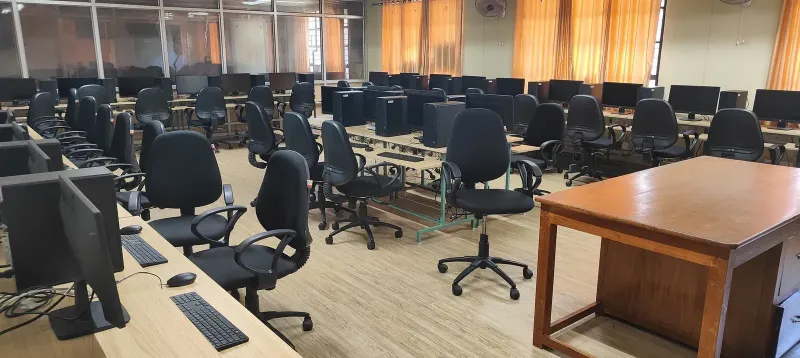
About the department
The Computer Science and Design engineering department integrates theory with practical application. A comprehensive curriculum covers algorithms, software engineering and artificial intelligence, and the teaching is paired with laboratory work meant to encourage innovation and critical thinking. Collaborations with industry partners g
The Computer Science and Design engineering department integrates theory with practical application. A comprehensive curriculum covers algorithms, software engineering and artificial intelligence, and the teaching is paired with laboratory work meant to encourage innovation and critical thinking. Collaborations with industry partners give students real-world exposure and keep them abreast of advances in the field, so that graduates leave prepared for the demands of computer science and design engineering.
Vision & mission
To be a global leader in Computer Science and Design Engineering education and research, fostering innovation and societal impact through interdisciplinary collaboration and technological excellence.
Mission
- 01To educate and inspire the next generation of computer engineers through rigorous academic programs.
- 02To conduct cutting-edge research that drives technological innovation and addresses global challenges.
- 03To engage in interdisciplinary collaboration, bridging technology and other fields to create holistic solutions.
- 04To contribute to society by translating research into practical, ethical, and sustainable technological advancements.
Objectives
Programme Educational Objectives(PEO)
- 01Capable of adapting to dynamic technology, fostering innovation, and excelling in the computer science and design engineering industry.
- 02Prepare for advanced studies and research, enabling them to contribute to cutting-edge knowledge and emerging technologies.
- 03Cultivate ethical professionals who communicate effectively, collaborate in diverse teams, and address complex problems with societal impact.
- 04Empower with leadership skills, social responsibility, and a global perspective, enabling them to make positive contributions to society.
Programme Specific Outcomes(PSO)
- 01Design and develop software and hardware solutions, meeting industry standards and adapting to evolving technological landscapes.
- 02Analyse and address complex engineering problems, and design and develop interdisciplinary and innovative systems.
- 03Inculcate effective communication skills, team work, ethics, leadership in preparation for a successful career in industry and R&D organizations.
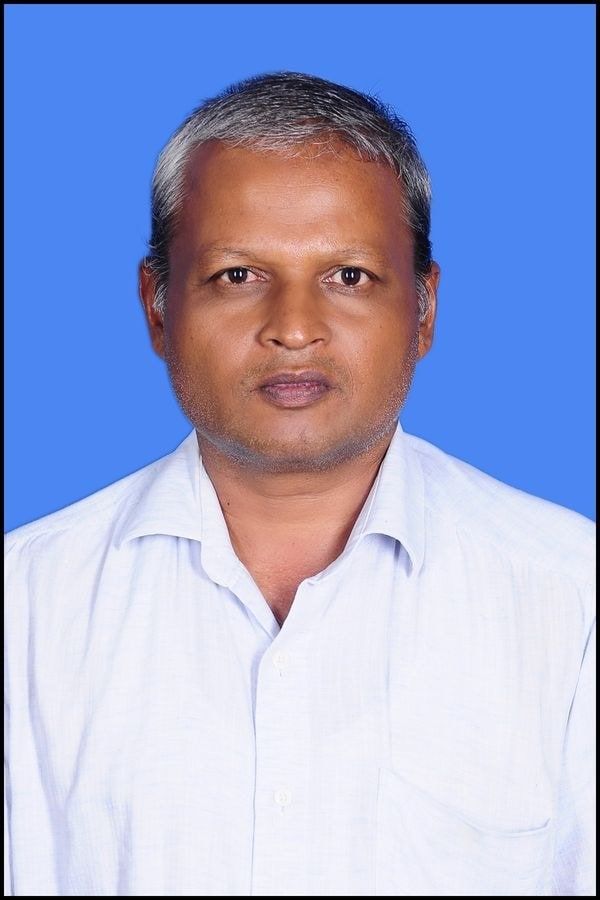
Head of department

The Computer Science and Design engineering department is a dynamic hub of technological education, seamlessly integrating theory and practical applications. With a dedicated faculty and cutting-edge facilities, students are immersed in a comprehensive curriculum covering key areas such as algorithms, software engineering, and artificial intelligence. The department emphasizes hands-on learning through state-of-the-art laboratories, fostering an environment that encourages innovation and critical thinking. Collaborations with industry partners ensure students gain real-world experience and latest advancements in the field of computer. As a result, graduates emerge well-prepared to tackle the challenges of the ever-evolving landscape of Computer Science and Design engineering.
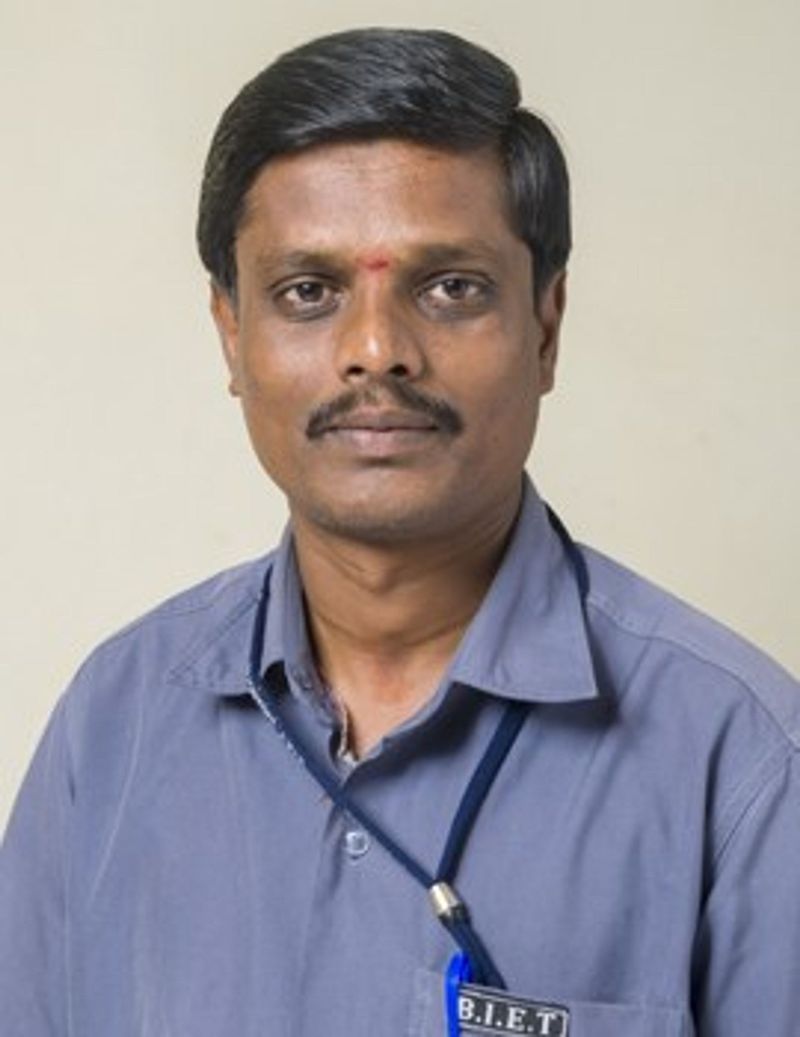
Faculty & staff









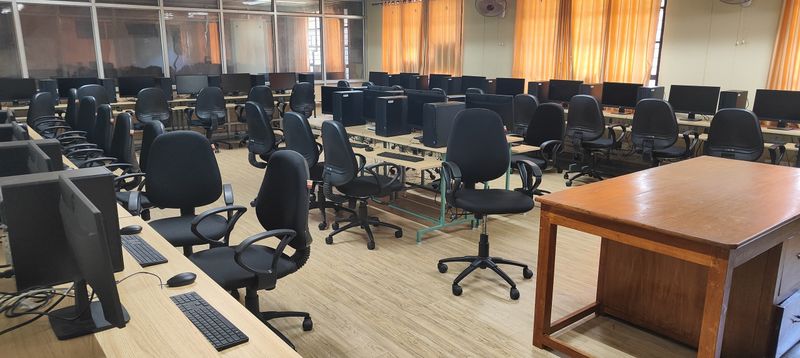
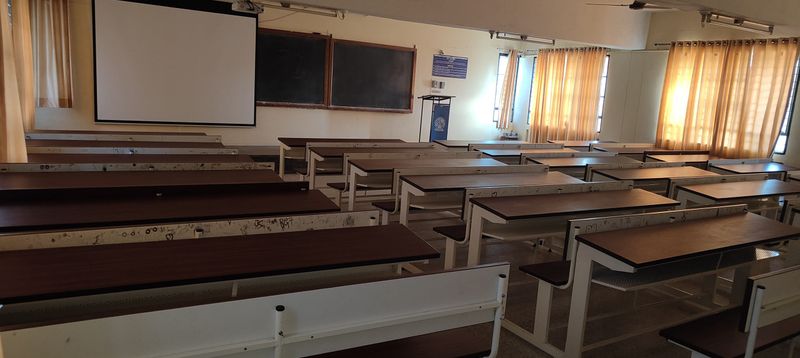
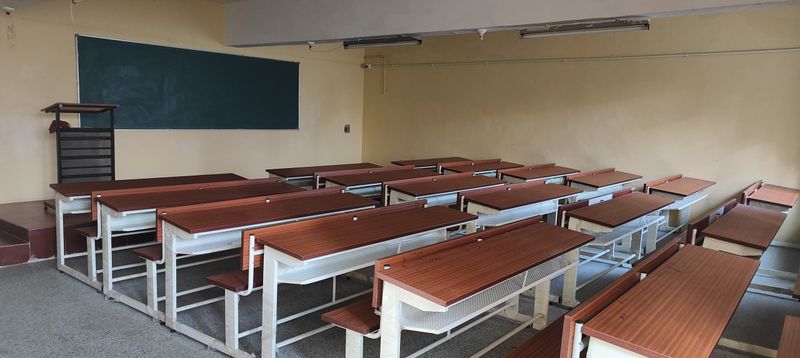
Infrastructure
Placement
| Year | Companies | Placed · In-campus | Placed · Off-campus | Total | Highest package |
|---|---|---|---|---|---|
| 2026 | 12 | 30 | 0 | 30 | 10 LPA |