B.E. · ECDr. G.S. Sunitha

Electronics & Communication Engineering.

A founding 1979 department. Intake has climbed from thirty seats to 120, final-year pass rates hold above 95 per cent, and its students have taken 35 university ranks.

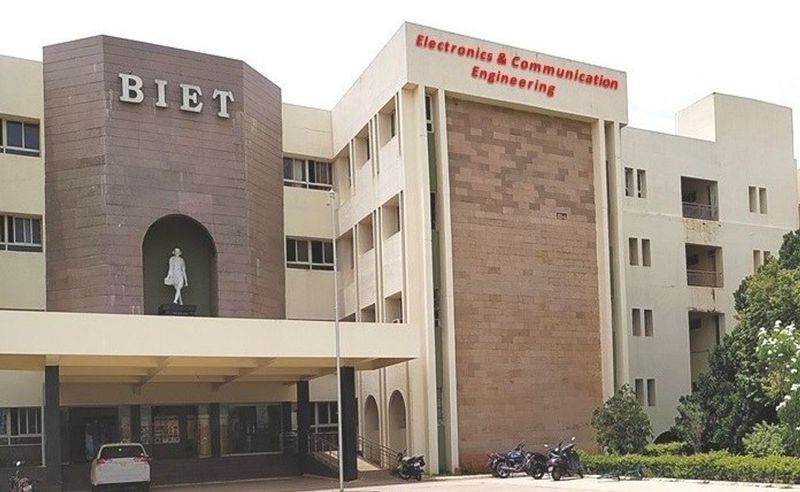
Department of Electronics & Communication Engineering building

About the department

Established in 1979, the department has grown its intake from 30 to 120. Five faculty hold doctorates and seven more are registered for one. The programme is NBA accredited for 2021-24 and the institute NAAC 'A' since 2017; the final-year pass rate stays above 95%, and the department has taken 35 university ranks. Laboratories carry roughly Rs 2 crore of regularly upgraded hardware and software, and the departmental library holds 3,358 volumes across 515 titles.

Five projects have run under AICTE's TAPTEC and MODROB schemes, and KSCST has sponsored 138, of which 37 reached the state exhibition and four won Best Project of the Year. MoUs run with Whizchip Design Technologies, Test & Verification Solutions, VI Solutions, Fiabilite Network Solutions and Vidvath Technologies. The EC Forum runs seminars, the annual E-Utsav fest and PAPYRUS, a state-level paper presentation held since 2015, and one mentor is assigned to every fifteen students. Alumni work at Qualcomm, Cadence, Texas Instruments, ISRO, BEL and TCS among others.

EC
Department code
UG
Undergraduate
31
People on the roster
10
Published laboratories

Vision & mission

Our vision
To be in the forefront in providing quality technical education and research in Electronics & Communication Engineering to produce skilled professionals to cater to the challenges of the society.

Mission

  1. 01To facilitate the students with profound technical knowledge through effective teaching learning process for a successful career.
  2. 02To impart quality education to strengthen students to meet the industry standards and face confidently the challenges in the programme.
  3. 03To develop the essence of innovation and research among students and faculty by providing infrastructure and a conducive environment.
  4. 04To inculcate the student community with ethical values, communication skills, leadership qualities, entrepreneurial skills and lifelong learning to meet the societal needs.

Objectives

Programme Educational Objectives(PEO)

  1. 01Demonstrate the knowledge in electronics and IT industry for successful professional career.
  2. 02Pursue higher education and to engage in research for professional development.
  3. 03Contribute to the societal needs with constitutional and ethical principles and demonstrate quality of lifelong learning.

Programme Specific Outcomes(PSO)

  1. 01Specify, design, build and test Analog, digital and Embedded systems.
  2. 02Understand and architect wired and wireless analog and digital communication systems as per specifications and determine their performance.
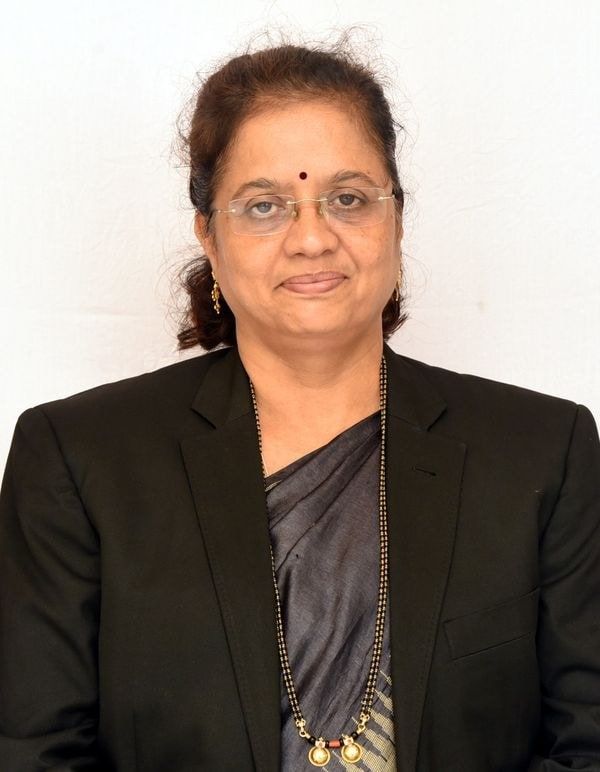
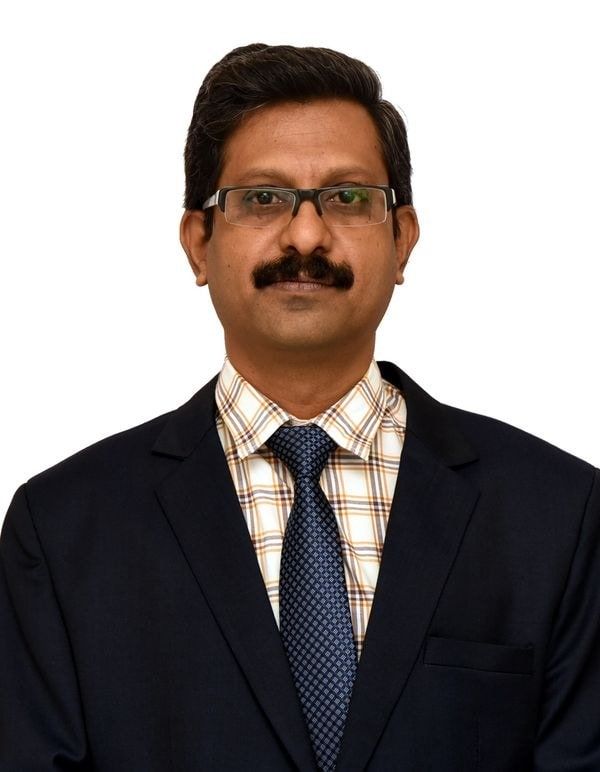
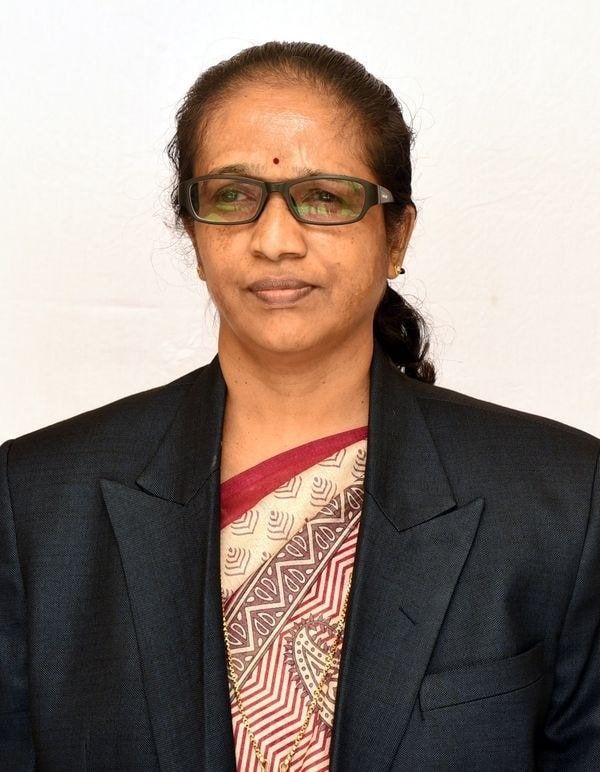
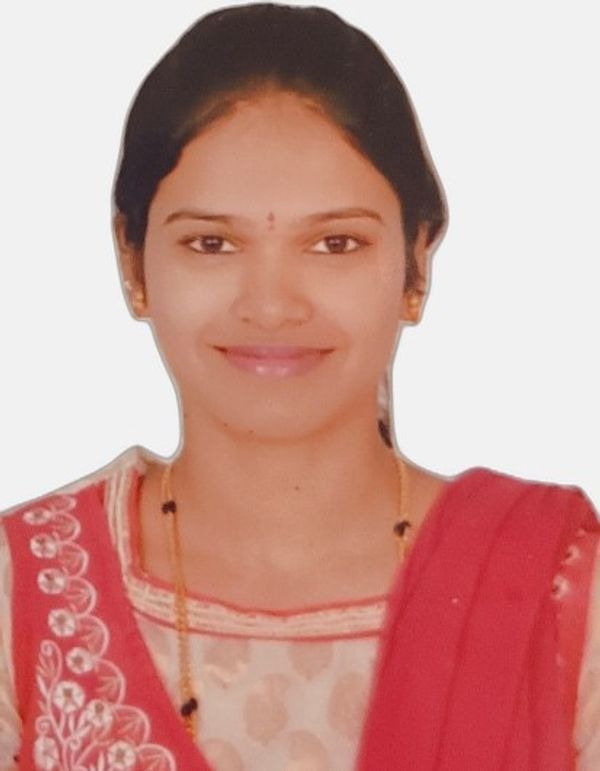
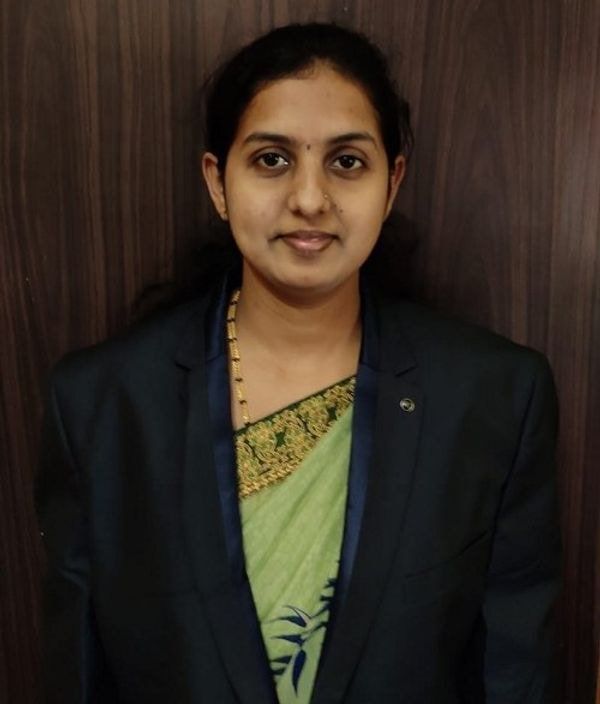
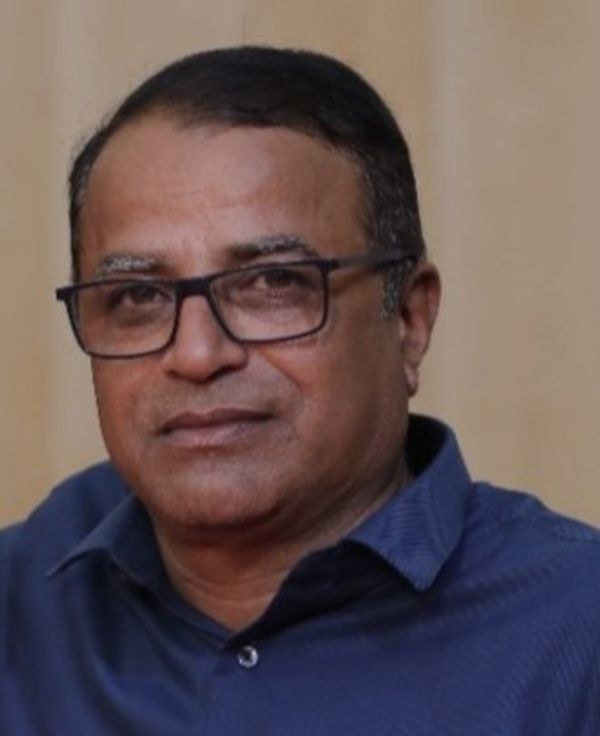
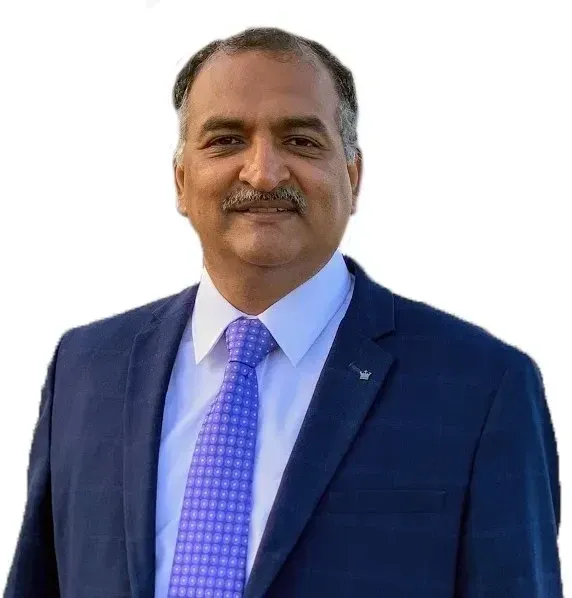
Dr. G.S. Sunitha, Professor and HOD
Head of department
Dr. G.S. Sunitha
Professor and HOD

BE from Government BDT College of Engineering (1990) and a Master's in Digital Electronics and Advanced Communication from KREC Surathkal (1996), with a doctorate from UBDT College of Engineering, Kuvempu University, in 2011. She joined BIET as a lecturer, became Professor in 2011 and has headed the department since 2013, with 31 years of experience.

She guides four doctoral scholars in information theory and coding, hardware description languages, digital signal processing and computer networking, and wrote AICTE course material on digital telephony and error control coding. A life member of ISTE, FIETE and FIE.

Faculty & staff
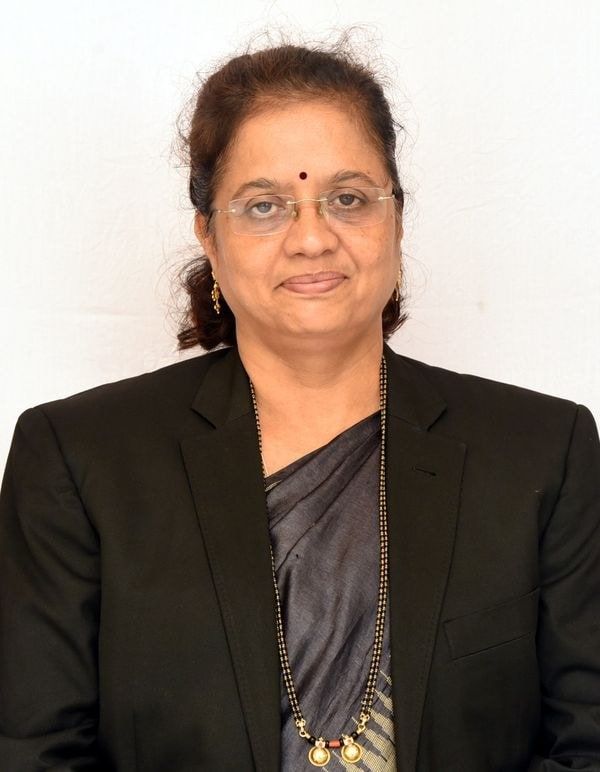
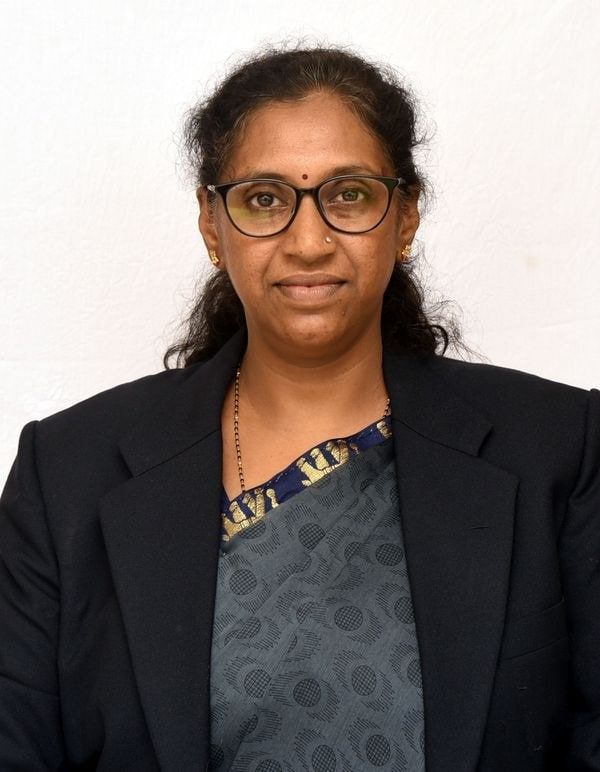
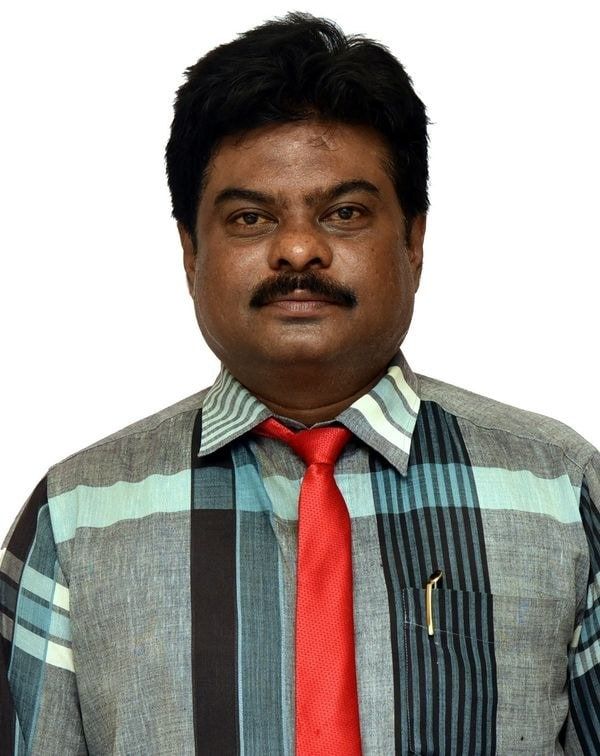
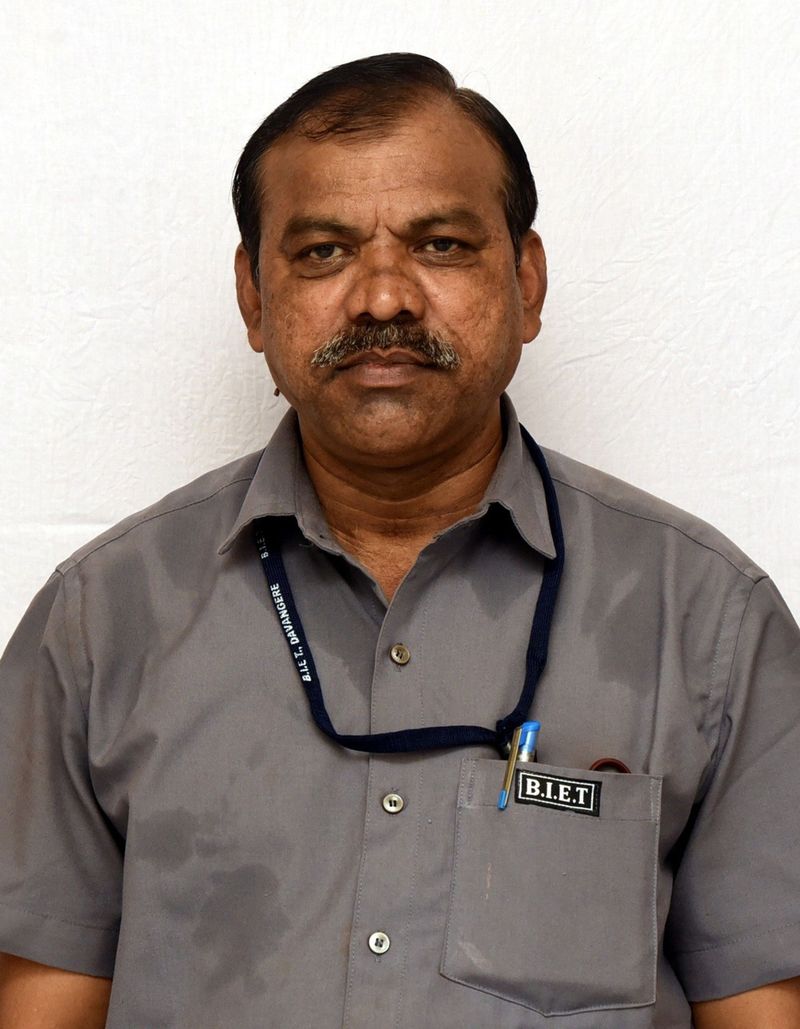
Dr. G S Sunitha, Professor & Head
Dr. G S SunithaProfessor & Head
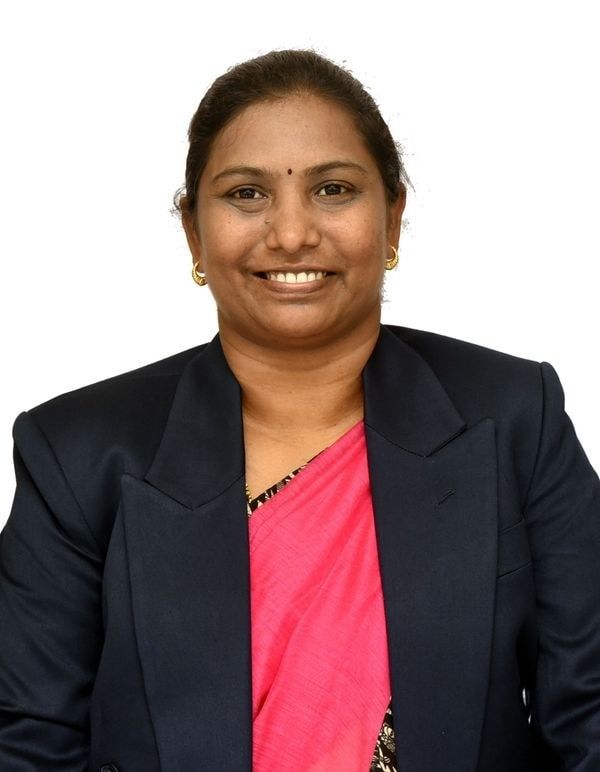
Dr. Leela G H, Professor
Dr. Leela G HProfessor
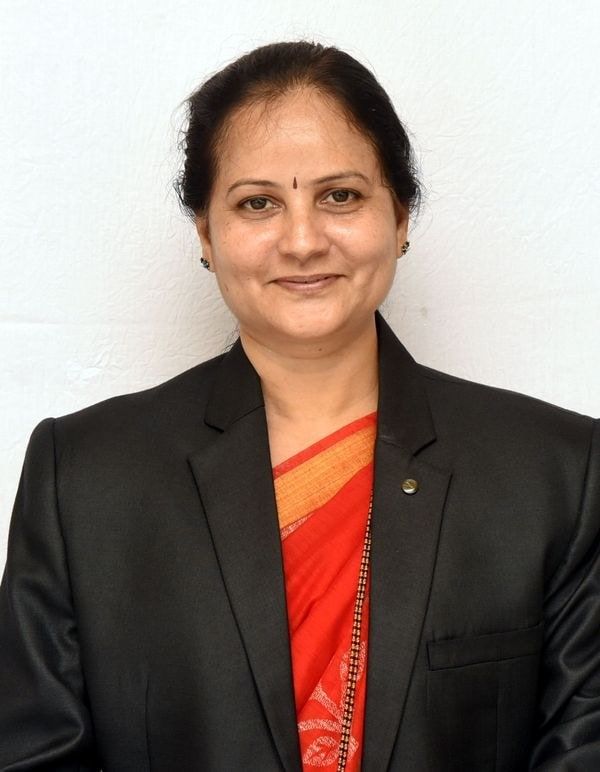
M E Ashalatha, Professor
M E AshalathaProfessor
Dr. Nirmala S O, Professor
Dr. Nirmala S OProfessor
Dr. Avinash K G, Associate Professor
Dr. Avinash K GAssociate Professor
Dr. Prakash K M, Associate Professor
Dr. Prakash K MAssociate Professor
Dr. Kiran Kumar G H, Associate Professor
Dr. Kiran Kumar G HAssociate Professor
Dr. Banumathi K L, Associate Professor
Dr. Banumathi K LAssociate Professor
Mrs. Suma K G, Assistant Professor
Mrs. Suma K GAssistant Professor
Mrs. Savithri G R, Assistant Professor
Mrs. Savithri G RAssistant Professor
Mrs. Radhikapriya Y R, Assistant Professor
Mrs. Radhikapriya Y RAssistant Professor
Mrs. Bhagya Shanthkumar, Assistant Professor
Mrs. Bhagya ShanthkumarAssistant Professor
Mr. Ali I K, Assistant Professor
Mr. Ali I KAssistant Professor
Dr. Pavan Kumar, Assistant Professor
Dr. Pavan KumarAssistant Professor
MS
Mrs. Shwetha SAssistant Professor
Mr. Mahendrachari, Lecturer
Mr. MahendrachariLecturer
Dr. Shubha V Patel, Assistant Professor
Dr. Shubha V PatelAssistant Professor
Dr. Tejaswini Y, Assistant Professor
Dr. Tejaswini YAssistant Professor
Mrs. Shwetha B, Assistant Professor
Mrs. Shwetha BAssistant Professor
Mrs. Poornima G N, Assistant Professor
Mrs. Poornima G NAssistant Professor
Mrs. Suman B S, Assistant Professor
Mrs. Suman B SAssistant Professor
Mr. Yogesh K O, Assistant Professor
Mr. Yogesh K OAssistant Professor
Mrs. Vanishree H V, Assistant Professor
Mrs. Vanishree H VAssistant Professor
Mr. Mahantesh Havagar, Assistant Professor
Mr. Mahantesh HavagarAssistant Professor
Anusha C, Instructor
Anusha CInstructor
S P Umapathy, Instructor
S P UmapathyInstructor
V S Patil, Instructor
V S PatilInstructor
Girish M, Assistant Instructor
Girish MAssistant Instructor
Manohara N V, Assistant Instructor
Manohara N VAssistant Instructor
G Ramesh, Attender
G RameshAttender
Durugappa, Peon
DurugappaPeon

Infrastructure
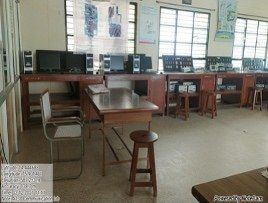
Communication Laboratory, benches with instruments
Communication Laboratory
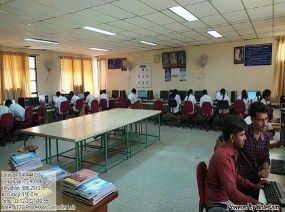
Design Automation Laboratory, students at workstations
Design Automation Laboratory
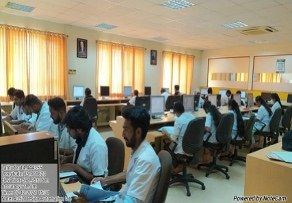
Networking Laboratory, students at workstations
Networking Laboratory
Processor Controller Laboratory, students at workstations
Processor Controller Laboratory
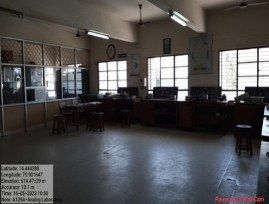
Analog Laboratory, workbenches with instruments
Analog Laboratory
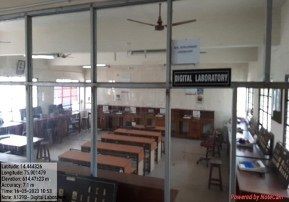
Digital Laboratory, seen from the corridor
Digital Laboratory
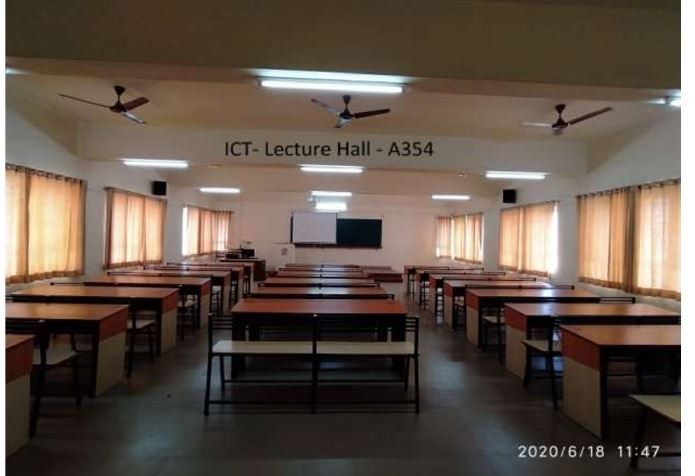
Classroom A354
Classroom A354
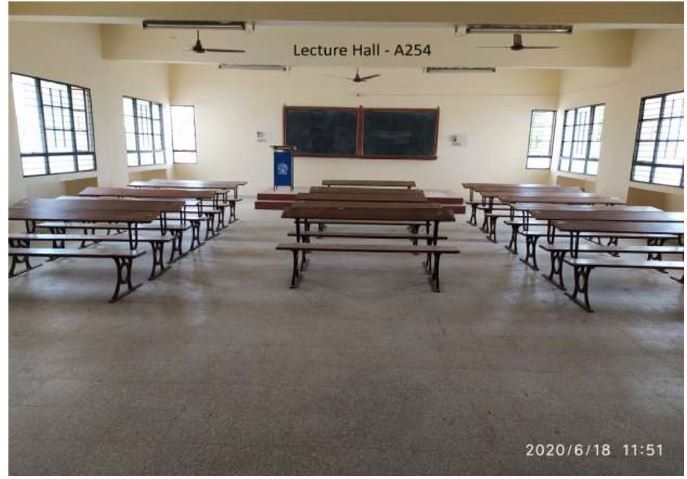
Classroom A254
Classroom A254
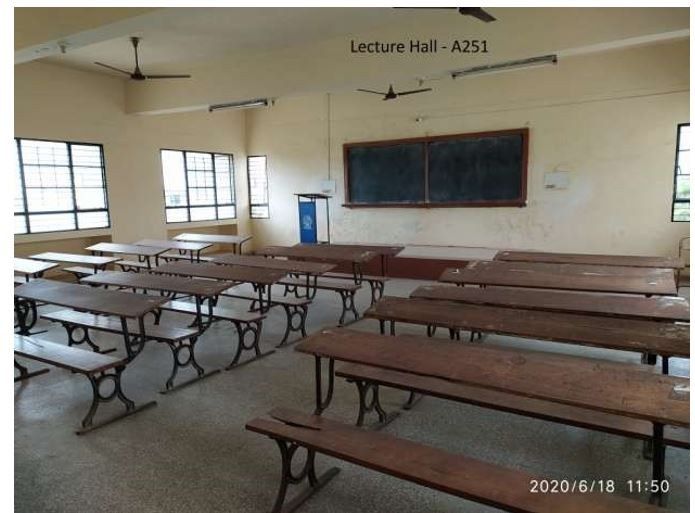
Classroom A251
Classroom A251
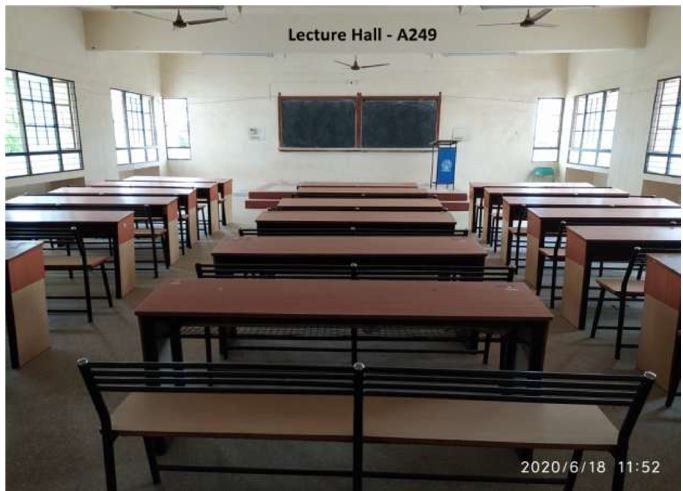
Classroom A249
Classroom A249
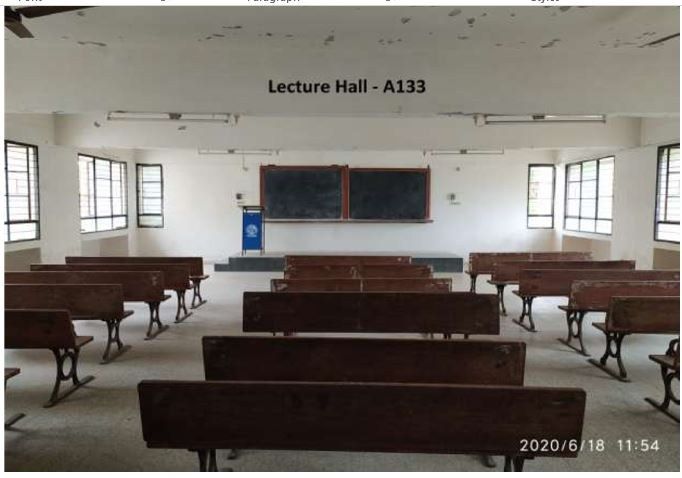
Classroom A134
Classroom A134

Placement

Placed per yearElectronics & Communication Engineering · source: department record and BIET Training & Placement Cell
0255075100PLACED2022 — 20269820227 LPA55202310 LPA25202412 LPA63202510 LPA7920267.5 LPA
In-campusOff-campus
Electronics & Communication Engineering placement record by year
YearCompaniesPlaced · In-campusPlaced · Off-campusTotalHighest package
202620790797.5 LPA
2025166306310 LPA
2024152502512 LPA
2023105505510 LPA
202226908987 LPA

Distinguished alumni

All 7 Electronics & Communication Engineering alumni

SWOT

The department’s own assessment of where it stands, as published for accreditation.

Strengths8
  • Dedicated, supportive and qualified Staff
  • Committed leadership, and good team work
  • Participation in developmental activities, projects, and in extracurricular activities
  • Excellent teaching-learning atmosphere and mentoring system
  • Adequate Infrastructure with equipment’s and quite a good computing environment
  • Recognized research Centre by VTU, Belagavi
  • Departmental library with good number of titles, volumes and project reports
  • Memorandum of Understanding (MOU) with companies - Altilogic Technologies Pvt. Ltd., TMI Systems, Tessolve Semiconductor Pvt. Ltd.
Weaknesses5
  • Lesser publications and lack of research and consultancy activities
  • Class rooms lack computing tools and smart boards
  • Lack of alumni participation in the overall developmental activities of the department
  • Lack of strong industry – institution interface
  • Lack of funding and grants from national organization and agencies for research work and projects
Opportunities6
  • To enhance collaboration with academic institutions and industries
  • To enhance research, project grant and consultancy activities
  • To strengthen the involvement of alumni in the developmental activities
  • To enhance community-based outreach activities
  • To establish Center of Excellence
  • To strengthen the placement and entrepreneurial activities
Threats5
  • Attracting better rank students into the program
  • The competition from the peer institutions
  • To keep pace with modern technological developments and advancements in educational policies
  • To provide employment opportunities to graduates
  • Attracting and retention of top educators

Other departments