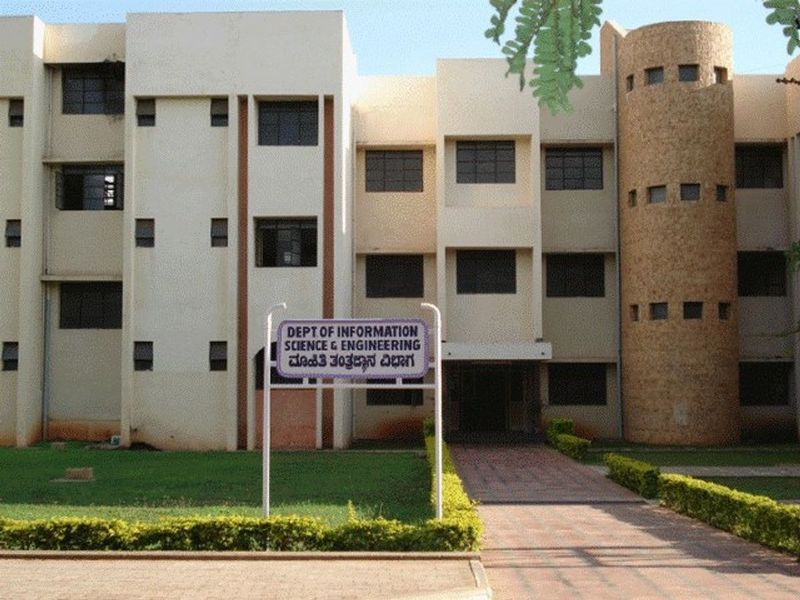
About the department
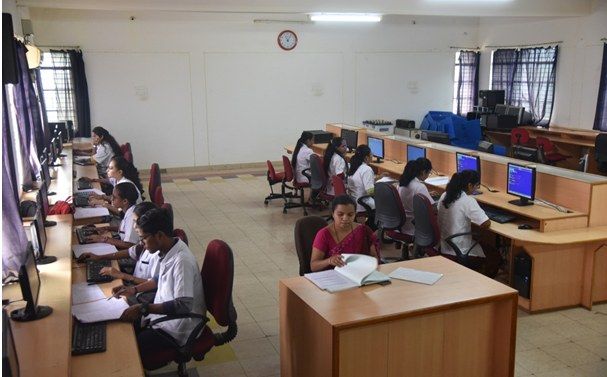
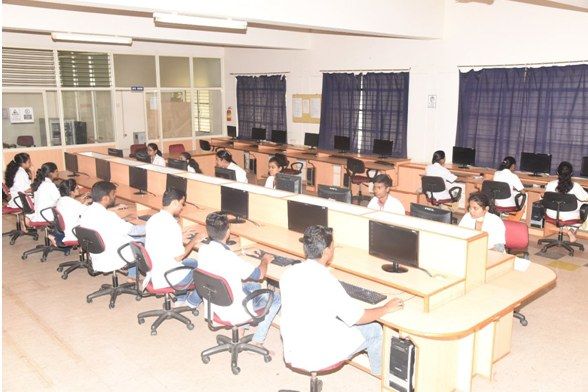
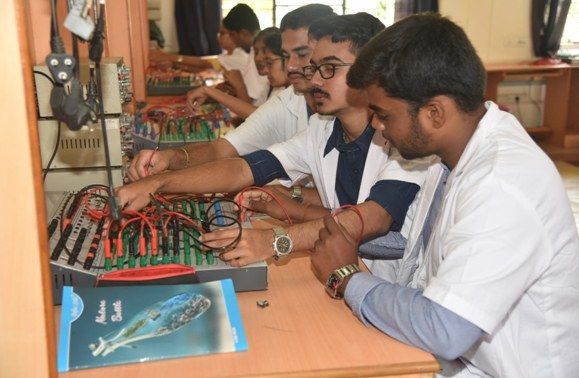
The Department of Information Science and Engineering was established in 2000 to prepare students for careers in the information technology industry. It began with an intake of 60 students, which increased to 120 in 2007, 150 in 2021, and 180 in 2022. Over the years, the department has expanded its infrastructure, improved its facilities, and strengthened its teaching. More than 2,200 graduates ha
Vision & mission
To be the center of excellence by adopting technological innovation in academics and research to develop competent man power for emerging needs of society and Industries .
Mission
- 01To provide Quality education to meet the challenges of technological changes to succeed in their professional career and higher education.
- 02To inculcate the culture of research, innovation and entrepreneur skills among the students.
- 03To groom our students with the quality of team spirit, leadership skills and ethical values, to share and apply their knowledge for the benefit of the society.
Objectives
Programme Educational Objectives(PEO)
- 01The graduates of program will have excellence through principles and practices of information technology combined with fundamentals of engineering.
- 02The graduates of program will be prepared in diverse areas of information science for their successful careers, entrepreneurship and higher studies.
- 03The graduates of program will work effectively as an individual and in a team , exhibiting leadership qualities, communication skills to meet the goals of the organization.
- 04The graduates of program will grove their profession with ethics, management principles to carry societal responsibilities.
Programme Specific Outcomes(PSO)
- 01Problem Solving Skills - Ability to apply standard principles and practices of Information Technology to propose feasible ideas and solutions to computational tasks using appropriate tools and techniques.
- 02Knowledge of Information Technology – Analyze, design, develop and test the computer based software in the areas related to networks, cloud computing, web technology, data science and IoT.
- 03Profession and Research Ability – Inculcate the knowledge to excel in IT profession, entrepreneurship and research with ethical standards.
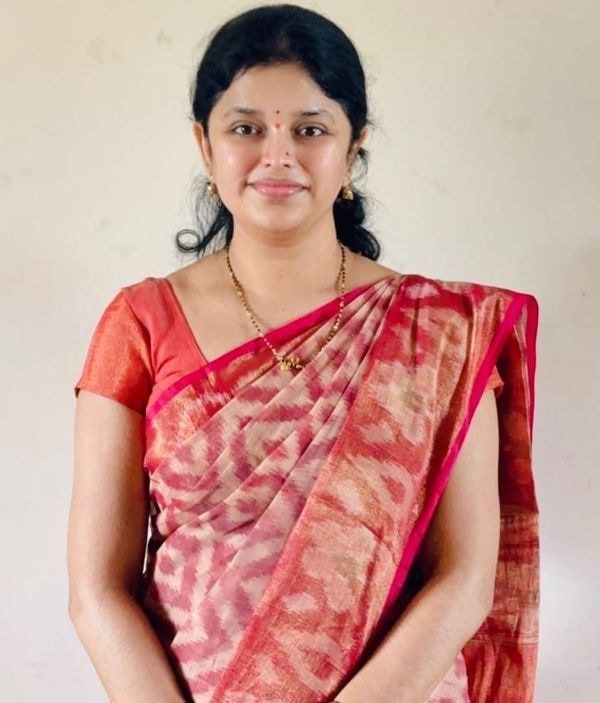
Head of department
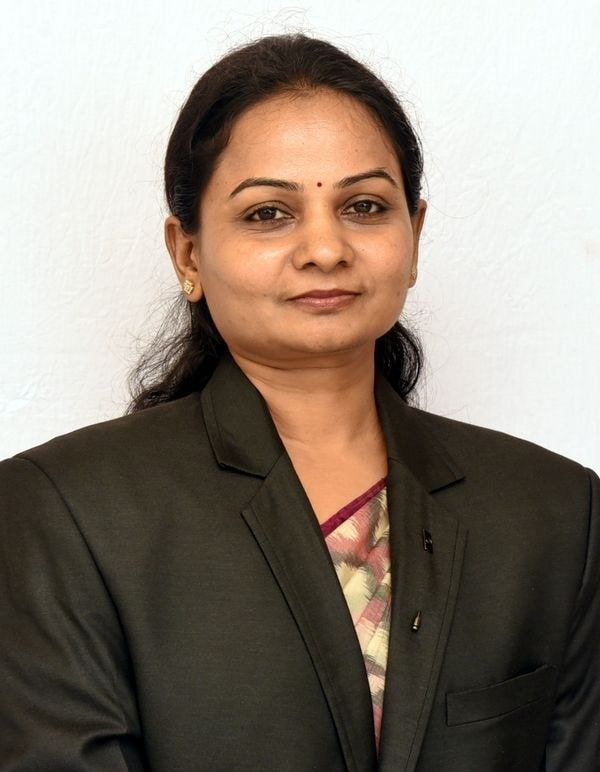
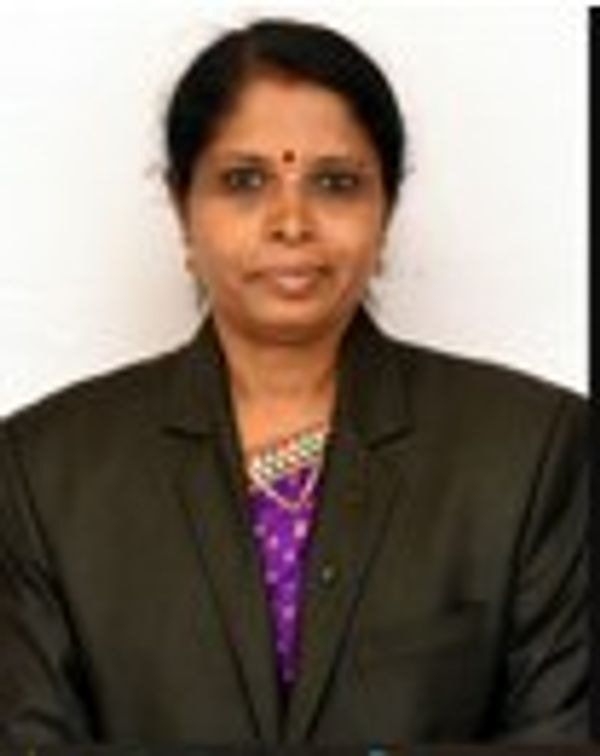
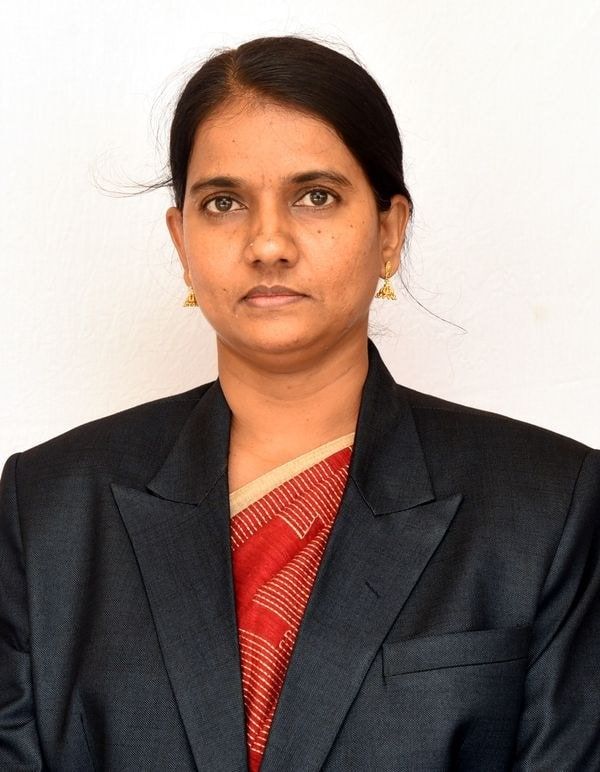
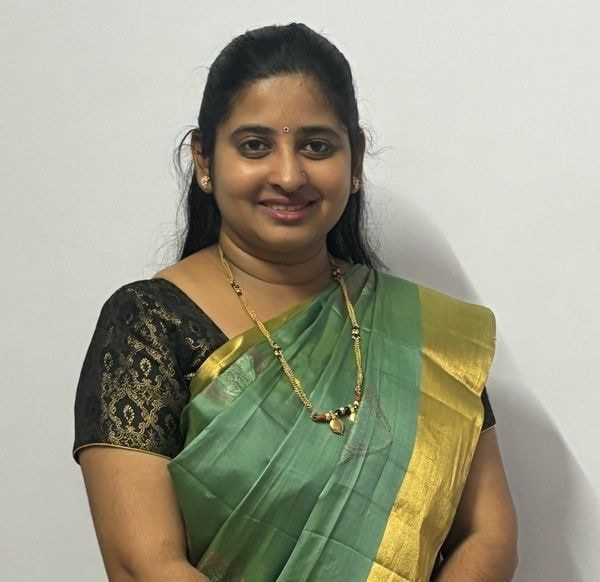
The Head of Information Science and Engineering has over 20 years of teaching experience and a PhD in Computer Science and Engineering. She has held key academic and administrative roles, including NIRF Coordinator and Dean of the Incubation Centre. Her research focuses on Artificial Intelligence and Intrusion Detection Systems, and she holds a patent for an AI-based antenna for 5G. She has actively organized workshops, hackathons, and faculty development programmes, including those conducted by IBM and Infosys. She is also a member of renowned professional organizations such as ISTE, IEEE, and the Institution of Engineers.
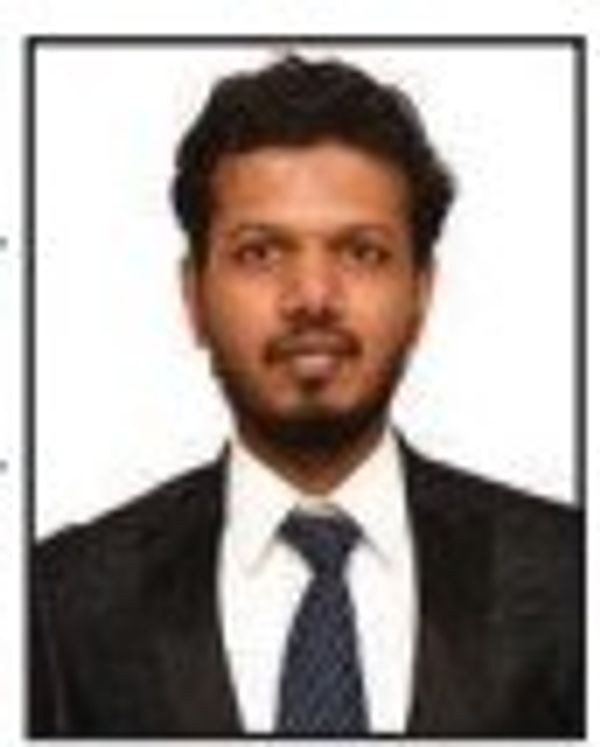
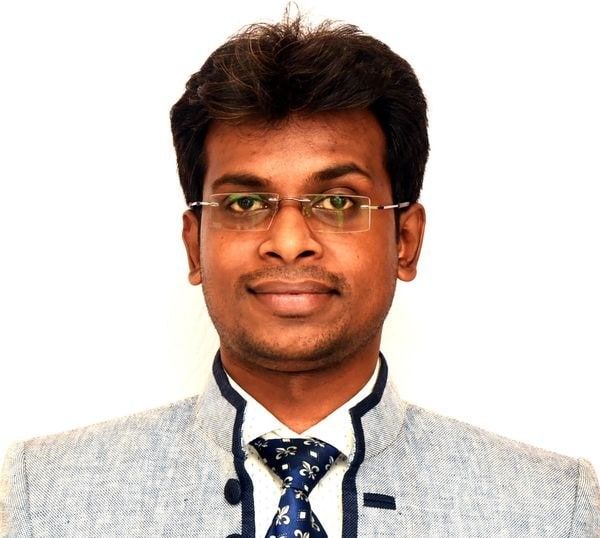
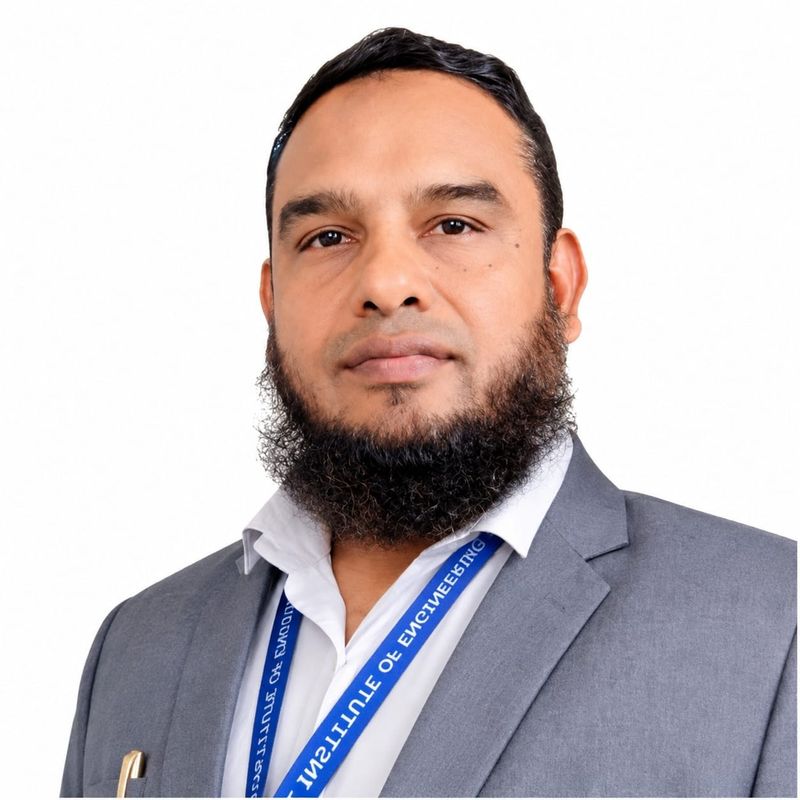
Faculty & staff
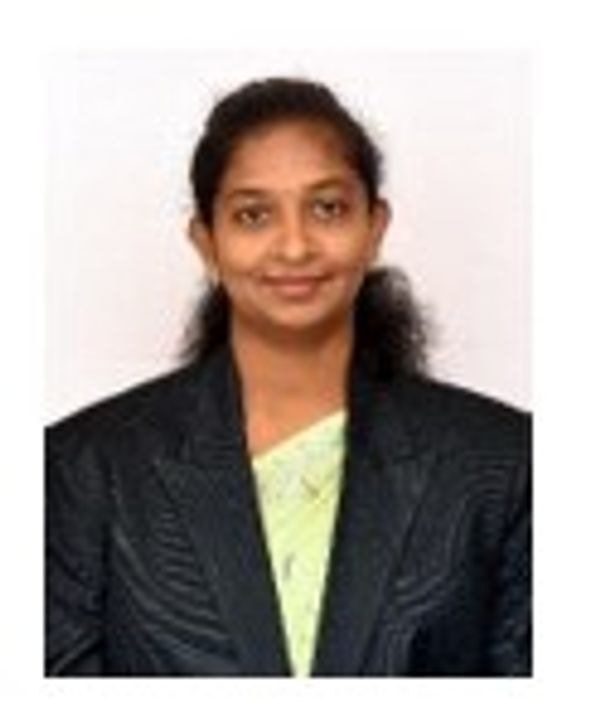
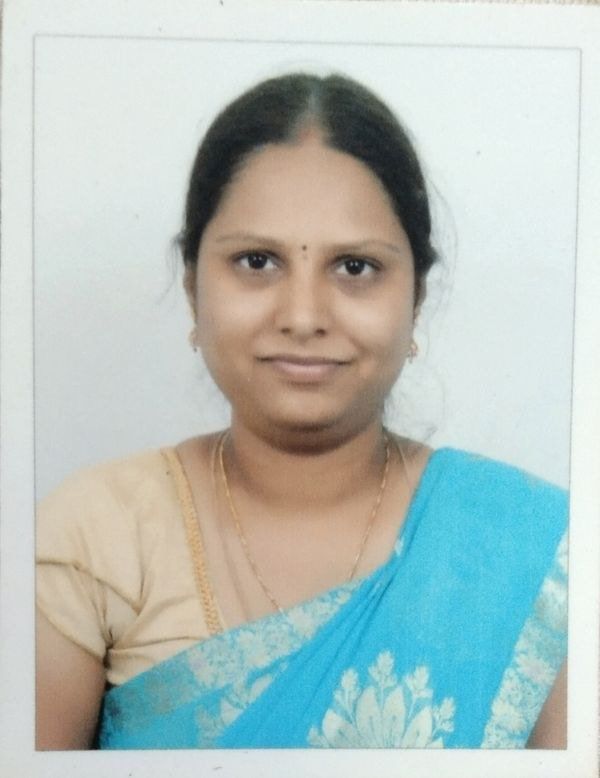
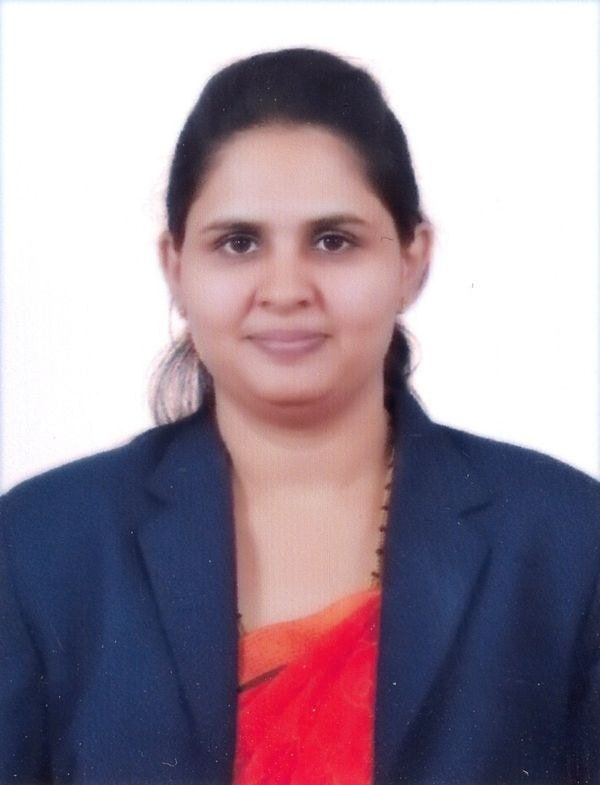
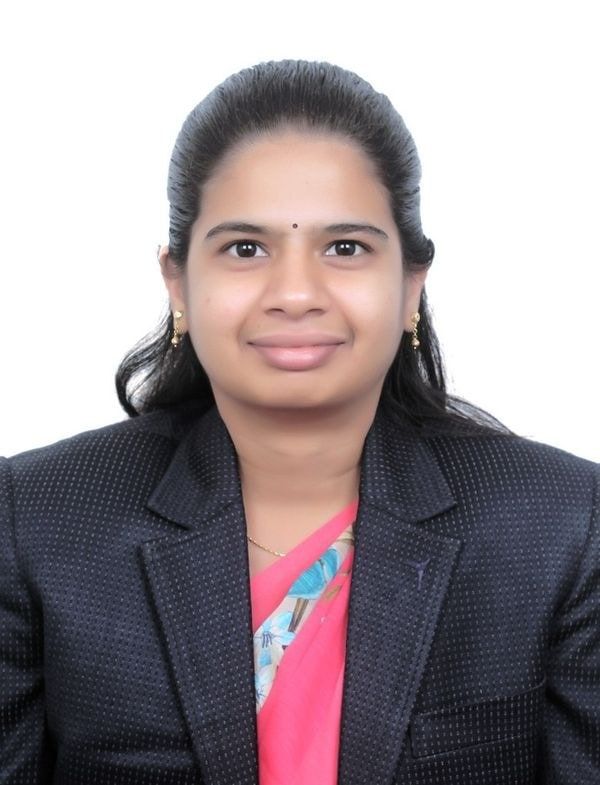
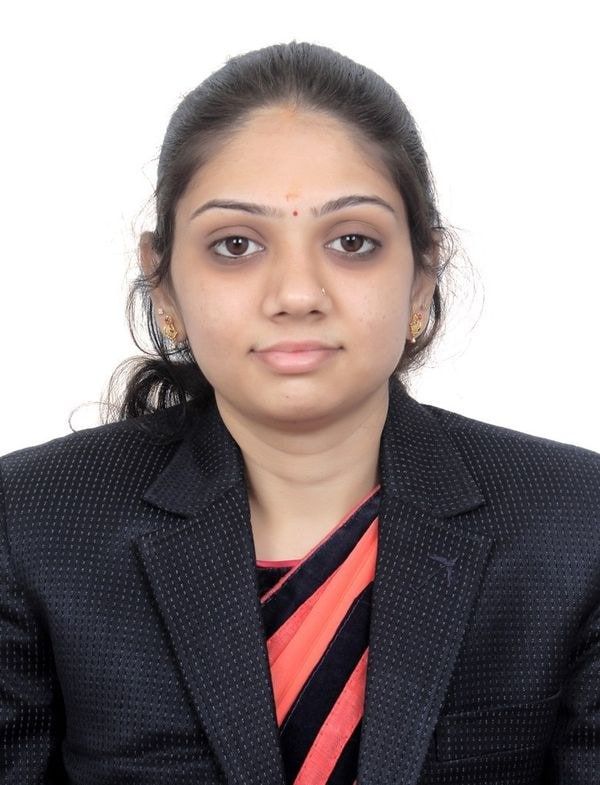
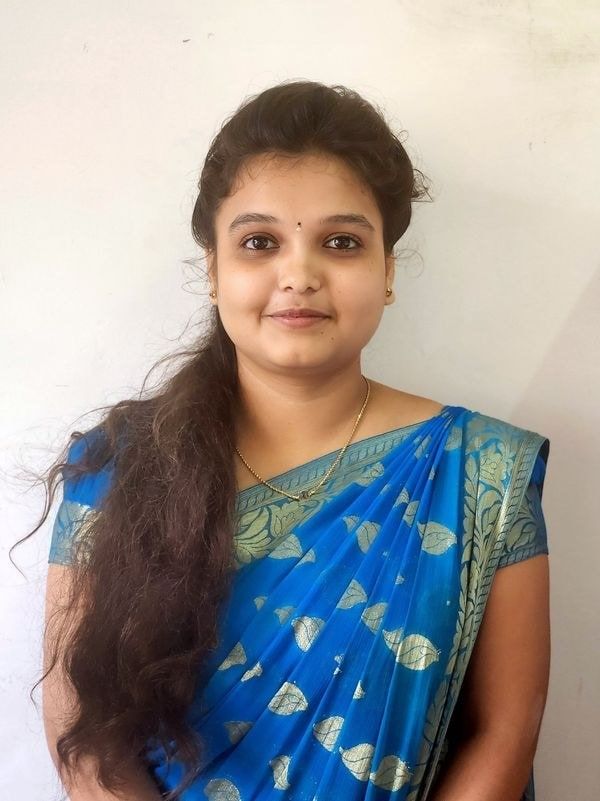
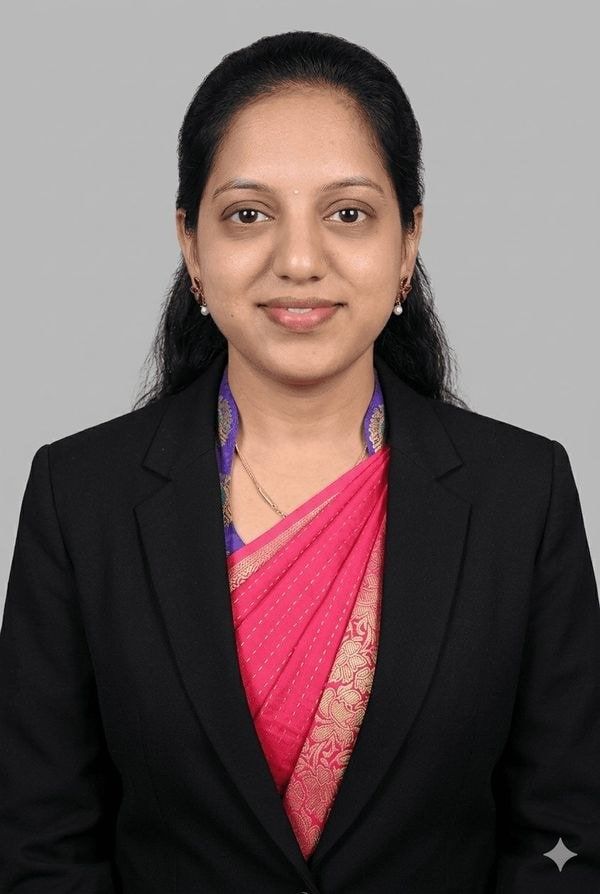
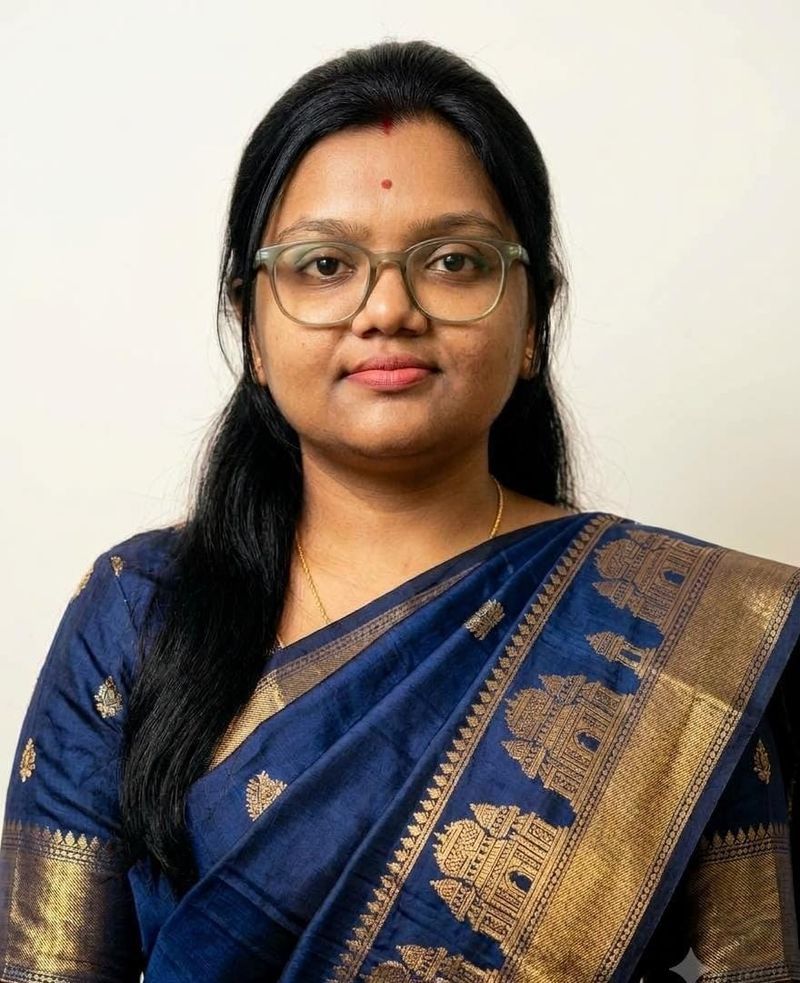
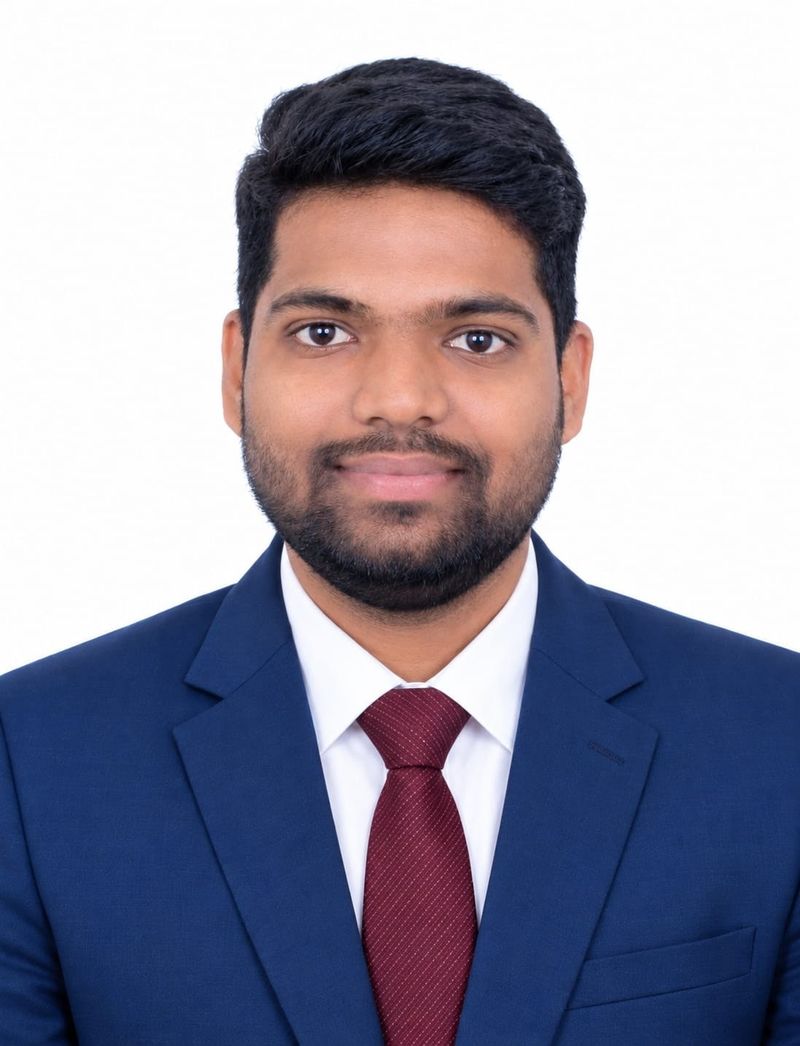
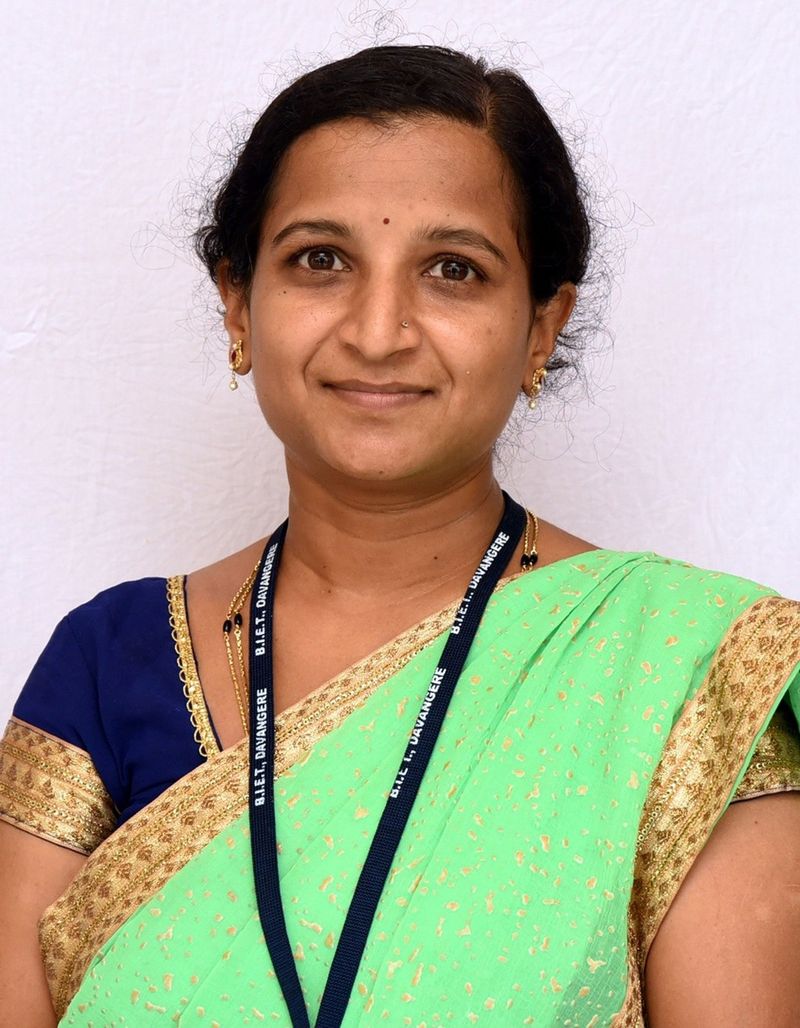
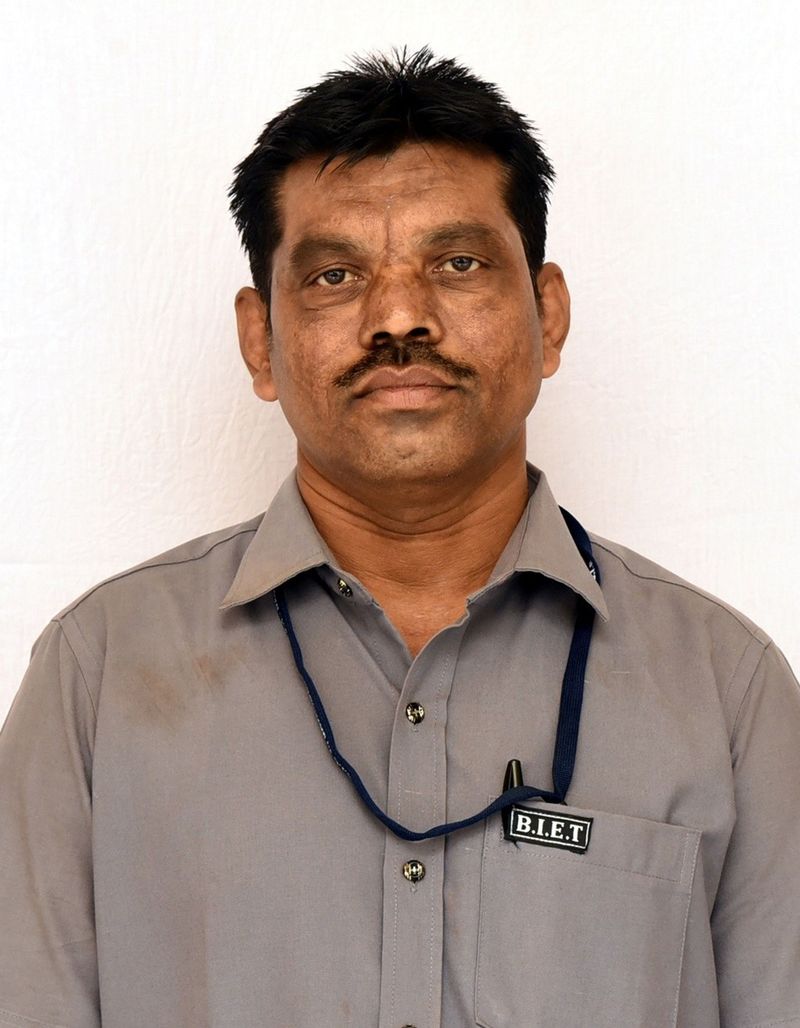
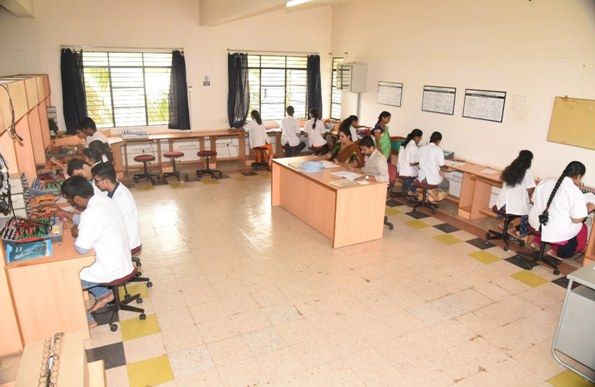
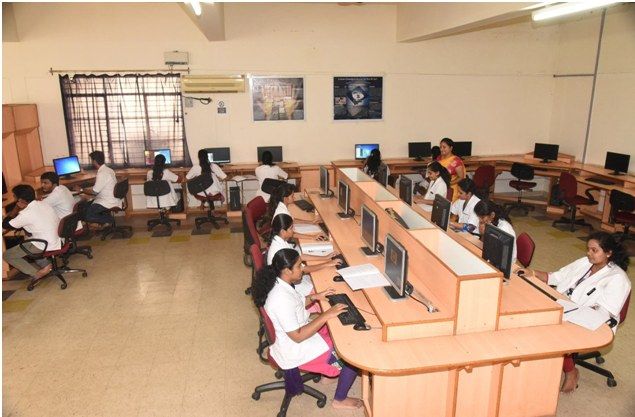
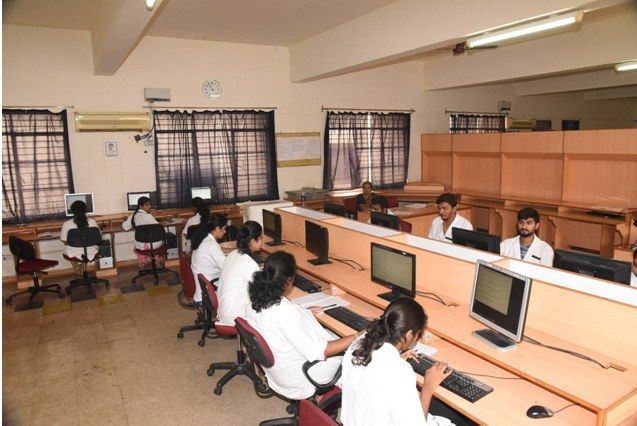
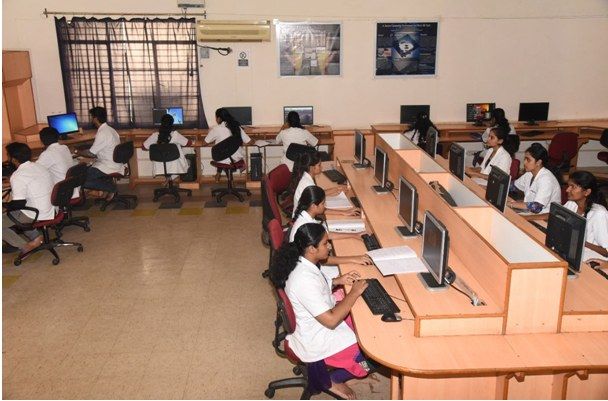
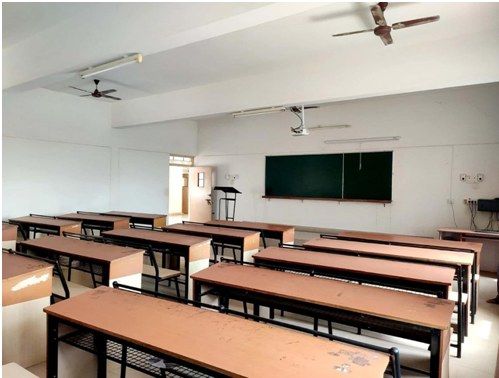
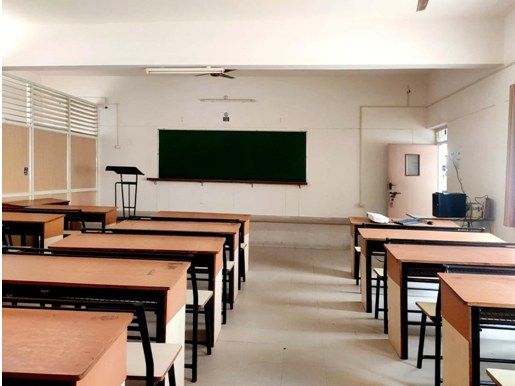
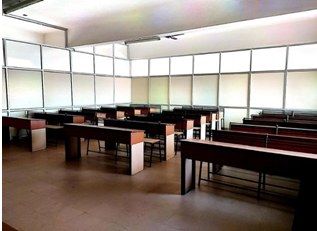
Infrastructure
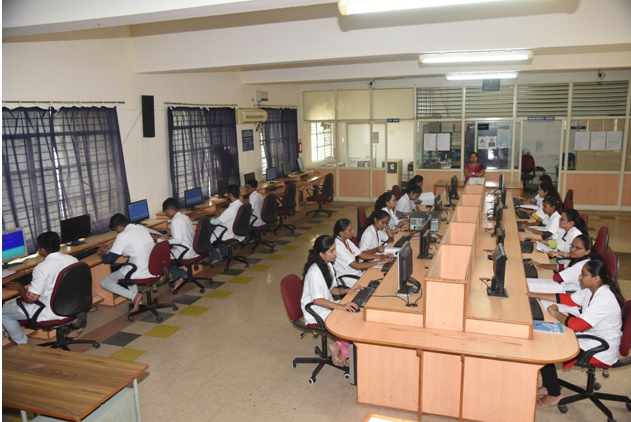
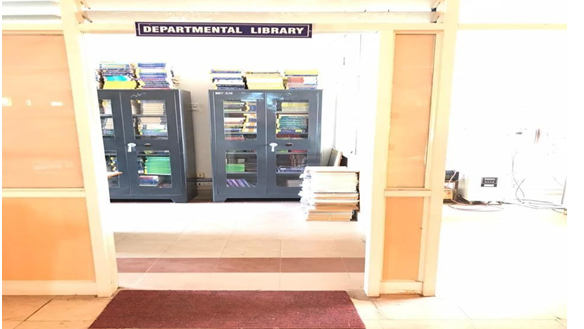
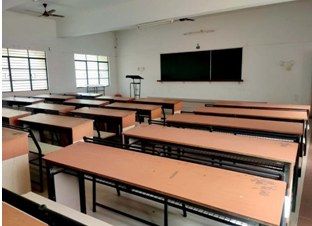
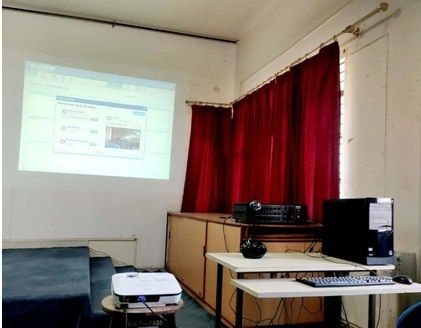
Placement
| Year | Companies | Placed · In-campus | Placed · Off-campus | Total | Highest package |
|---|---|---|---|---|---|
| 2026 | 23 | 116 | 0 | 116 | 40 LPA |
| 2025 | 28 | 173 | 0 | 173 | 10 LPA |
| 2024 | 14 | 82 | 0 | 82 | 4 LPA |
| 2023 | 21 | 70 | 3 | 73 | 10 LPA |
| 2022 | 32 | 58 | 20 | 78 | 12 LPA |
Events
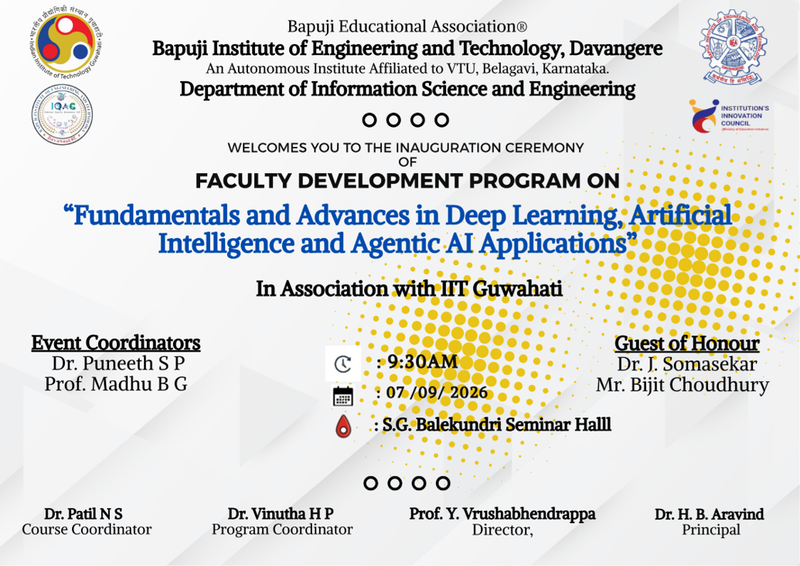
Fundamentals and Advances in Deep Learning, Artificial Intelligence and Agentic AI Applications
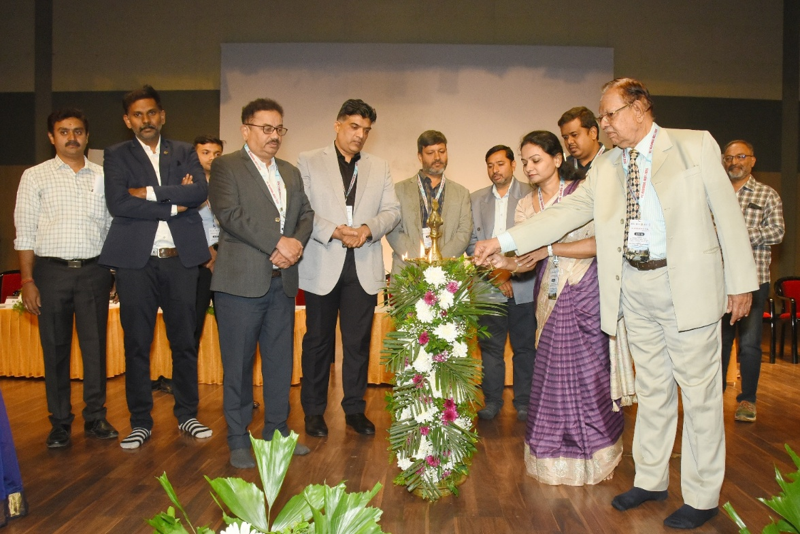
Institution’s Innovation Council (IIC) Regional Meet – 2025
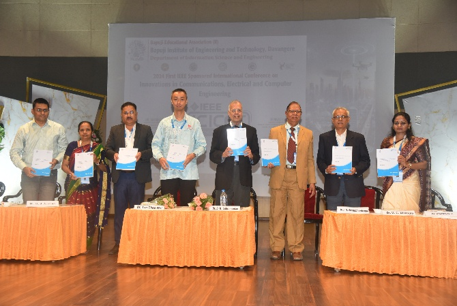
IEEE Sponsored International Conference on Innovations in Communications, Electrical, and Computer Engineering (ICICEC 2024)
Alumni to Entrepreneur
Distinguished alumni
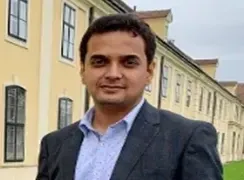
Akshay S.C.
Ashwin Kumar
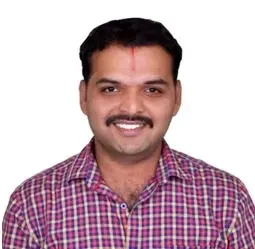
Krishna P Huilgol
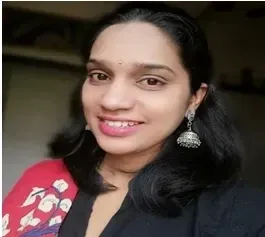
Vasuki T
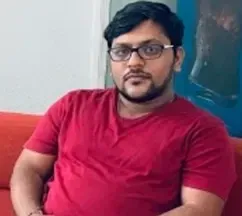
Karibasappa G C
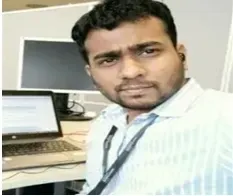
kumar Vivek
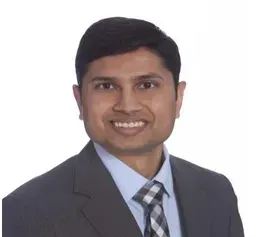
Siddharth Batavia
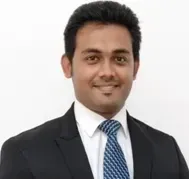
Ananth Hegde
Advisory board
Programme Advisory Committee 18
Academics, industry representatives, alumni, parents and students nominated to review the programme, as published by the department.
| Name & designation | Role |
|---|---|
| Dr. Aravinda H. B. | Member |
| Prof. Y. Vrushabhendrappa | Member |
| Dr. Poornima B. | Member |
| Dr. Anil Kumar C.P. | Member |
| Dr. Dinesh Y.N. | Member |
| Dr. Vinutha H. P. | Member |
| Dr. Sreenivasa B. R. | Member |
| Dr. Rekha C | Member |
| Dr. Anitha G. | Member |
| Dr. Shreedhara K.S | Member |
| Dr. Premasudha B. G. | Member |
| Mr. Jayas M | Member |
| Mr. Shreyas Verneker | Member |
| Dr. Aziz Khan | Member |
| Dr. Shivamurthy D M | Member |
| Mr. Ashok Kumar | Member |
| Ms. Lekha | Member |
| Mr. Ajay Patel K A | Member |